Another thriller is at your door with Devkhel. With a slightly surprising announcement, it has made a knock during the social media care for of Cinema Rare. It is directed via Chandrakant Lata Gaikwad. The theme of this sequence has been taken from mythology, in which there’s a conventional people persona who heisted 4 Vedas from Brahma Deva. Later on, he was once defeated via Matsyavatara of Lord Vishnu. However, after that, Shankasur was once blessed as a result of he realised his mistake.
Contents
When and Where to Watch
Devkhel goes to be on Z5 quickly; alternatively, the date isn’t identified but.
Trailer and Plot
Devkhel is a thriller mystery sequence according to the topics of mythology. There isn’t any trailer out for it but. The sequence would possibly take time to hit the monitors. Not a lot from the tale is understood; alternatively, it is a tale according to the Lord Vishnu’s Matsyavatara in which a folklore steals all 4 Vedas from Brahma Deva. Knowing this, Lord Vishnu takes Matsyavatara and defeats him. Later, he will get blessed as he feels grounded for his mistake. The plot of this sequence takes you to a theme like that and allows you to attach the dots of why the occasions occur.
Cast and Crew
Chandrakant Lata Gaikwad is the director of the sequence Devkhel. The actors who’ve labored in it are Prajaktta Mali, Veena Jamkar, Mangesh Desai, Yatin Karyekar, Onkar Bhojane, Arun Nalawade, Sayali Deodhar, Ambarish Deshpande, Uma Sardeshmukh, Rohan Surve, and Ankush Chowdhary. Chandrakant Lata Gaikwad and Nikhil Ashok Palande have written it.
Reception
It is a Marathi sequence, however it’s nonetheless going to seize the target audience who talk different languages. This obviously tells about its reputation on social media, because it has no longer but been launched.
Catch the most recent from the Consumer Electronics Show on Gadgets 360, at our CES 2026 hub.
After Users, OpenAI Now Wants Hospitals and Doctors to Use ChatGPT
Realme 16 Pro Series With 200-Megapixel Camera Goes on Sale in India: See Price, Offers, Features
My canine, an lovable 70-pound Lab combine, is very best in each and every manner. But I admittedly concept he used to be rather less very best when he as soon as got here in thru a swinging canine door adopted by way of one of the vital many lizards that run round my house at the Florida Gulf Coast.
That by no means must occur once more.
High Tech Pet, a long-running participant in automatic puppy get admission to, is showcasing right here at CES 2026 its not too long ago introduced Power Pet Roll-Up Door, an absolutely computerized, Wi-Fi-enabled smart pet door designed to deal with safety, insulation and comfort problems commonplace with conventional puppy doorways.
Unlike typical puppy doorways that swing open or use versatile flaps, the Power Pet Roll-Up Door opens vertically the usage of a motorized roll-up mechanism. When a puppy dressed in a suitable ultrasonic collar approaches, the door detects the sign and raises the panel to permit access or go out, then closes at the back of them. Think of it as a little bit storage door to your canine or cat, with the opener worn on its collar.
For extra, we are monitoring the newest information from CES, so take a look at again for normal updates.
Don’t omit any of our independent tech content material and lab-based evaluations. Add CNET as a most popular Google supply.
Contents
A unique option to puppy get admission to
High Tech Pet says the vertical roll-up design is helping give a boost to insulation and safety in comparison with flap doorways, which will let in drafts and are steadily simple for natural world or intruders to push thru. Because the panel stays sealed when no longer in use, the corporate says it supplies higher resistance to climate and temperature loss, regardless that real-world efficiency will in the end rely on set up high quality and the way it is used.
The door is designed for each canines and cats, from kittens to 200-plus-pound pooches, and is to be had in a couple of sizes and mounting choices (door, wall, patio). Its vertical opening additionally lets in it to slot in tighter areas, together with beneath window sills or inside door panels that may no longer accommodate a swinging flap.
Power Pet works with sensible controls and far flung get admission to
The Power Pet Roll-Up Door comprises integrated Wi-Fi connectivity and works with the corporate’s Power Pet Door app. Through the app, you’ll open or shut the door remotely, set get admission to schedules and modify modes relying on whether or not pets are allowed in, out or each.
Remote keep an eye on turns out to be useful for homeowners who need to set up puppy get admission to whilst clear of house or preferring to stay the door locked all through sure hours. As with different attached house gadgets, long-term reliability and app usability might be necessary components, in particular for a product that controls bodily get admission to to the house.
The door nonetheless purposes routinely with out handbook enter when paired with the ultrasonic collar, which serves as the main cause for opening. Keep in thoughts that High Tech Pet has used an identical collar-based techniques in earlier merchandise, depending on ultrasonic indicators slightly than cameras or biometric reputation.
Installation and design issues
High Tech Pet says the Power Pet Roll-Up Door may also be put in in partitions, patio doorways or usual doorways — relying at the house’s structure. Installation complexity will range, particularly for wall-mounted setups that require slicing into external surfaces.
Visually, the door leans towards a contemporary, minimum design slightly than the utilitarian glance standard of older puppy doorways. That might make it extra interesting for householders who need puppy equipment to mix in with extra recent interiors.
The corporate additionally emphasizes safety, noting that the door is designed to stay locked until activated by way of a registered collar or the cellular app. This is helping cope with a commonplace fear for folks whose properties are at flooring degree.
The Power Pet Roll-Up Door retails at $580, which is considerably upper than elementary puppy doorways or even many digital flap-based fashions.
High Tech Pet introduced the door in November 2025, with CES 2026 serving as its first main public show off.
A distinct segment however rising class
Smart puppy doorways are nonetheless a moderately small a part of the puppy tech and sensible house global, however they level to a broader pattern we’ve got been seeing at CES lately. In different phrases, automation is creeping into on a regular basis, steadily overpassed duties — like letting your puppy out and in of the home. Products just like the Power Pet Roll-Up Door are not about flashy novelty such a lot as small however significant enhancements in comfort, potency and protection.
Qualcomm offered the Snapdragon 8 Gen 5 chipset in November remaining yr, with efficiency upgrades over the Snapdragon 8 Gen 3. It provides a top clock pace of as much as 3.8GHz and lines Qualcomm’s customized Oryon CPU. The chipset properties Adreno GPU and a Hexagon NPU for enhanced AI duties. It is provided with Snapdragon X80 5G Modem-RF System AND THE FastConnect 7900 gadget, enabling fortify for Bluetooth 6 and Wi-Fi 7. Qualcomm claims the Snapdragon 8 Gen 5 delivers as much as 36 p.c higher CPU efficiency in comparison to the Snapdragon 8 Gen 3.
The OnePlus 15R has already introduced in India as the primary smartphone powered by way of this new chipset. Vivo’s S50 Pro Mini will also be bought in China with the similar chipset. However, a number of different producers are making ready to release their very own Snapdragon 8 Gen 5-powered smartphones. These upcoming handsets come with fashions just like the Realme Neo 8, iQOO Z11 Turbo, and Motorola Edge 70 Ultra.
Contents
Realme Neo 8
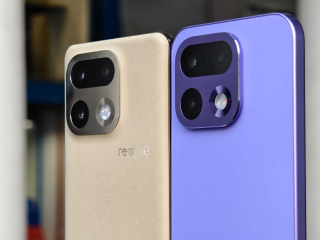
Realme’s upcoming Neo 8 is showed to come back with the Snapdragon 8 Gen 5 chipset. It might be introduced later this month in India. It is showed to come back in a Cyber Purple colourway with a clear rear panel. The handset is more likely to include a triple rear digital camera setup, with one of the most sensors providing 120x zoom. This hints against the presence of a periscope telephoto lens at the smartphone. Realme’s signature Awakening Halo lighting fixtures characteristic can be noticed along the digital camera island.
Realme Neo 8 Photo Credit: Realme
Beyond the Snapdragon 8 Gen 5 chip, the large spotlight of the Realme Neo 8 may well be an 8,000mAh battery. It is tipped to come back with a 6.78-inch LTPS flat show with 1.5K solution.
iQOO Z11 Turbo
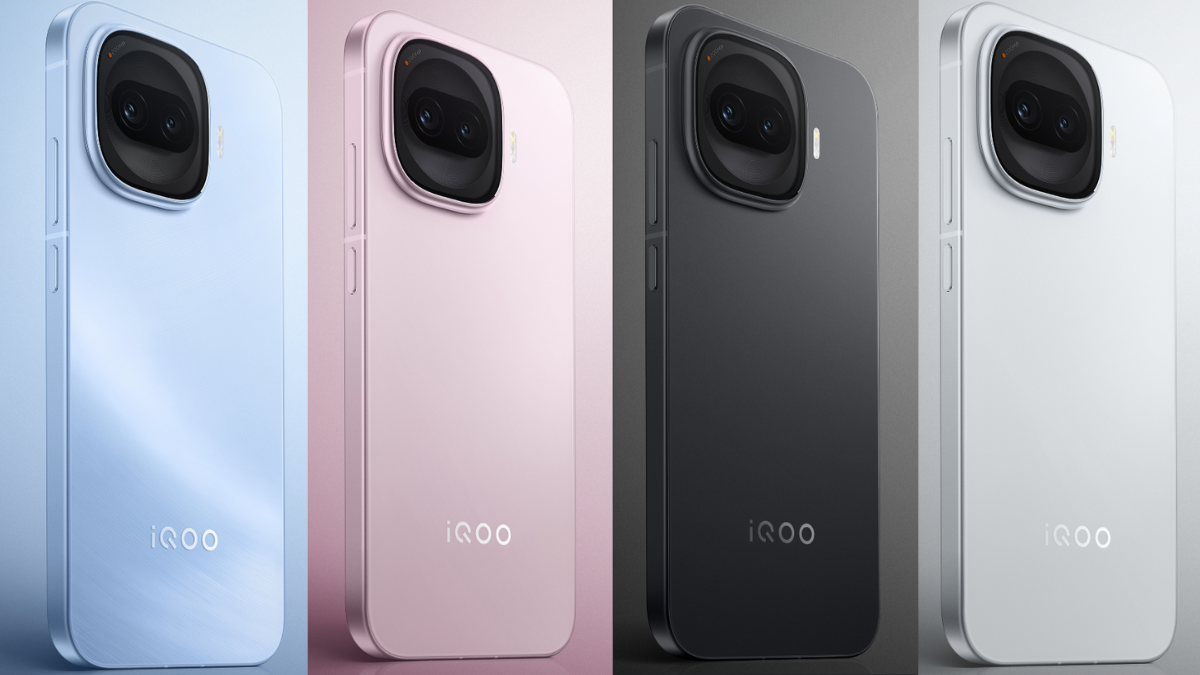
iQOO has been teasing the iQOO Z11 Turbo in China for a while now, regardless that the corporate hasn’t introduced the release date of the telephone. However, it’s showed to land in January with the newly introduced Snapdragon 8 Gen 5 SoC from Qualcomm. The handset is lately up for pre-order within the nation in Canglang Floating Light, Halo Powder, Extreme Night Black, and Sky White (translated from Chinese) finishes.
The iQOO Z11 Turbo will characteristic a 200-megapixel number one digital camera at the again. The handset can have a steel body and a tumbler again panel with rounded corners. The telephone will include an IP68 + IP69-rated construct for mud and water resistance. For biometric authentication, the telephone can have an ultrasonic fingerprint scanner. It will price in China between CNY 2,500 (more or less Rs. 32,000) and CNY 3,000 (about Rs. 38,000).
Past leaks prompt a 32-megapixel entrance digital camera and a 7,600mAh battery with 120W stressed out charging fortify for the iQOO Z11 Turbo.
Motorola Signature
Motorola hasn’t explicitly showed the chipset of Motorola Signature, however it is broadly rumoured and presumed that the approaching telephone will send with the Qualcomm Snapdragon 8 Gen 5 chipset. It is scheduled to release on January 7 and can cross on sale via Flipkart. It has a hollow punch show design and a customisable shortcut key.
The upcoming smartphone might lift a triple rear digital camera unit, together with A 50-megapixel sensor and a periscope telephoto sensor. It is most probably to supply as much as 16GB of RAM. It is rumoured to characteristic a 6.7-inch OLED show with 1.5K solution. It is alleged to pack a 5,200mAh battery with fortify for 90W stressed out speedy charging and 50W wi-fi charging.
Moto X70 Air Pro
Motorola’s Moto X70 Air Pro could also be more likely to include the Snapdragon 8 Gen 5 chip. Motorola is but to substantiate its release date, however it is rumoured to characteristic a 6.78-inch 1.5K (1264 x 2780 pixels) OLED panel. It may include Android 16 out-of-the-box. This style may be introduced in 8GB, 12GB, and 16GB RAM choices and 256GB, 512GB, and 1TB garage choices.
At the again, the Moto X70 Air Pro may boast a triple-camera setup with 3 50-megapixel sensors, together with a periscope telephoto lens that helps 3x optical zoom. It is anticipated to characteristic a 50-megapixel selfie shooter. It is tipped to characteristic a 5,100mAh battery with fortify for 90W stressed out speedy charging.
Besides those fashions, manufacturers like Vivo and Honor are anticipated to introduce new flagship smartphones that includes this newest SoC within the coming months, however the names of those smartphones, or their specs, are lately unknown.
Catch the newest from the Consumer Electronics Show on Gadgets 360, at our CES 2026 hub.
Modern smartphone cameras are spectacular beasts, as many digicam telephones mix state of the art {hardware} with complex symbol processing functions. Some of the extra notable inventions in recent times come with periscope cameras, 200MP sensors, and all-pixel autofocus.
However, one in all my favourite {hardware} options arrived in 2022: one-inch digicam sensors. Unfortunately, adoption of this tech has reputedly stalled within the ultimate yr or so, and it doesn’t seem like we’ll see a lot of it in 2026. What went flawed?
Do you favor bigger digicam sensors or extra megapixels?
253 votes
Contents
One-inch cameras had been the longer term — till they weren’t
Aamir Siddiqui / Android Authority
One-inch 50MP digicam sensors debuted at the Xiaomi 12s Ultra again in 2022, and it in reality felt like this was once the following giant factor. In truth, Xiaomi, vivo, OPPO, and HUAWEI wasted little time bringing this tech to their top-end telephones.
Fast-forward to 2026, regardless that, and it sort of feels like smartphone makers aren’t so loopy about this era. Vivo presented a one-inch 50MP primary digicam at the X90 Pro and X100 Pro, however skipped it on next releases. The Xiaomi 13 Pro additionally used this sensor, however next Pro handsets, such because the Xiaomi 17 Pro Max, don’t come with it.
Don’t need to leave out the most efficient from Android Authority?
It’s no longer all unhealthy information, as HUAWEI continues to provide this option on its Pro and Ultra telephones. OPPO and Xiaomi now not be offering this option on their Pro handsets however retain it on their Ultra fashions. In different phrases, you’ll nonetheless in finding telephones with one-inch sensors when you glance exhausting sufficient or are prepared to import them. However, fewer telephones be offering this digicam era nowadays.
I additionally anticipated the likes of Samsung, Google, Apple, and Sony to enroll in the one-inch sensor teach, however this hasn’t came about thus far. That’s disappointing, as those huge sensors be offering more than one advantages over smaller cameras.
One notable perk is a shallower depth-of-field impact with out resorting to tool trickery. This leads to pictures with extra delightful and correct bokeh. These huge sensors additionally boast spectacular light-gathering, leading to brighter, cleaner photographs with advanced dynamic vary. This additionally reduces movement blur, because the shutter doesn’t have to stick open as lengthy, permitting you to freeze topics even in blended lighting fixtures. Phones just like the Xiaomi 14 Ultra and vivo X100 Pro additionally make excellent use of those sensors, turning in spectacular low-light snaps, whilst the latter even gives a hand-held astrophotography mode.
Why huge digicam sensors have stalled out
Robert Triggs / Android Authority
Perhaps the most important reason we haven’t observed wider adoption of one-inch cameras is house constraints. These sensors absorb numerous house throughout the telephone, forcing producers to put in force large digicam bumps. Needless to mention, those massive housings are ugly and can lead to a much less ergonomic software. I do know I every so often combat to put my index finger when the use of a telephone with an Oreo-sized digicam bump. These huge housings too can motive a telephone to wobble considerably when used on a flat floor.
It additionally doesn’t assist that Apple and Samsung went in some other route altogether by way of providing ultra-thin smartphones in 2025. These gadgets are so skinny that cramming more than one rear cameras into the body is a problem, let by myself a one-inch digicam sensor or a telephoto lens. Thankfully, shoppers have in large part disregarded skinny gadgets just like the Galaxy S25 Edge because of the compromised cameras, shorter battery lifestyles, and excessive value tags.
From the rising significance of secondary cameras to house constraints, there are a couple of conceivable the reason why one-inch sensors have not really taken off.
Another factor with one-inch cameras is that the sensor will have to be further from the lens for optimum focusing and symbol high quality. In truth, HUAWEI’s Pura 70 Ultra (observed above) includes a retractable number one digicam lens to extend the space between the lens and sensor. HUAWEI and Xiaomi have additionally paired one-inch cameras with a variable aperture to fight focusing and depth-of-field problems related to those huge sensors. But retractable lenses and variable apertures additionally build up {hardware} complexity and force up prices.
Speaking of prices, I believe that businesses like Apple and Samsung haven’t followed one-inch cameras as a result of those parts would scale back benefit margins. Instead, Samsung specifically sticks with the similar primary digicam sensors for more than one years.
Hadlee Simons / Android Authority
Another attainable reason massive primary sensors haven’t won traction is that telephoto cameras have change into an increasing number of vital — I do know that is my favourite digicam on a number of flagships in this day and age. These zoom-focused modules absorb vital house, in particular as producers be offering an increasing number of bigger telephoto sensors and extra complicated periscope designs. It subsequently is smart to quite scale back the principle digicam’s dimension to allow higher zoom.
Smaller digicam sensors have additionally stuck up with one-inch sensors in many ways. Vivo switched to a smaller, LYT-818 primary digicam (1/1.28-inch) for the X200 Pro. It claimed that this digicam has higher video high quality than the one-inch IMX989 sensor and related photograph high quality. Of route, vivo when put next this smaller primary sensor to the first-generation one-inch sensor moderately than the second-generation LYT-900. Nevertheless, the vivo X300 Pro and OPPO Find X9 Pro now use the LYT-828 primary digicam sensor (1/1.28-inch), which gives complex HDR functions and ultra-high conversion acquire tech that’s lacking from one-inch sensors.
Are one-inch sensors utterly useless in 2026?
Dhruv Bhutani / Android Authority
That all stated, it appears like one-inch digicam sensors aren’t going any place simply but — a minimum of no longer utterly. In truth, contemporary tendencies may result in extra telephones with this tech someday. The brand-new Xiaomi 17 Ultra includes a new one-inch sensor from the Chinese model Omnivision, and a fellow Chinese corporate, SmartSens, introduced a one-inch sensor in July 2025.
This is an encouraging building, because it method Sony is now not the one corporate providing one-inch cameras. In principle, this different provide chain may scale back prices and, subsequently, result in higher proliferation of those sensors.
However, Sony additionally turns out bullish on huge digicam sensors. The corporate disclosed a graph previous this yr that predicts huge sensors to develop in recognition on high-end telephones till 2028.
“Historically till now, the era of our cell sensors has advanced first via more than one cameras after which larger-sized sensors as much as 1-inch, and this has helped our trade expansion,” Sony instructed Android Authority in line with emailed questions, whilst noting that the adoption of huge sensors generally was once progressing “easily.”
Then once more, the following giant digicam sensor improve is probably not a one-inch sensor in the end. Sony lately introduced the 200MP LYT-901 digicam sensor (1/1.12-inch), which is considerably bigger than present 200MP sensors and quite smaller than 50MP one-inch sensors. Leaks recommend that OPPO and vivo may make the most of this sensor as the primary digicam of their upcoming Ultra telephones.
As such, the Xiaomi 17 Ultra and its new one-inch sensor could be the exception moderately than the rule of thumb in 2026. That’s to not say smartphone cameras in 2026 received’t be improbable, however the dream of one-inch sensors on all flagships more than likely isn’t coming true this yr.
Thank you for being a part of our neighborhood. Read our Comment Policy earlier than posting.
We spend hours trying out each and every services or products we evaluate, so you’ll be sure to’re purchasing the most productive. Find out extra about how we check.
Contents
Hisense L9Q: two-minute evaluate
The Hisense L9Q represents the top of what Hisense can do for house theater projection. It’s a sizzlingly shiny 4K extremely brief throw (UST) projector that boasts the large colour gamut of triple-laser projectors along the correct colour of Pantone Validated {hardware}.
Where most other projectors settle for two or maybe four speakers, the L9Q packs in a whopping ten Devialet-designed speakers in a 6.2.2 configuration for the most impressive sound I’ve heard from a projector. It may not beat actual surround sound speaker systems, but it’s enough to put even the best soundbars to shame.
The L9Q is even a solid gaming projector with its ability to display 4K 60Hz gameplay with low input lag or switch over to 1080p 240Hz for extra smooth visuals and responsive gaming.
It’s a serious package, but it comes with a seriously high-end price at $5,999 / £3,999. That may seem steep, but considering how quickly the prices of TVs ramp up when you go past 75 inches, the math starts to work in Hisense’s favor. The L9Q can put out a 150-inch picture just as easily as it can do 100 inches, and has flexible setup features to get up and running.
For most people who don’t need the added brightness and already have a good sound system, the $3,499 / £2,499 Hisense PX3-Pro will be a more reasonable option. But if you demand the best, the L9Q delivers.
The Hisense L9Q is to be had for $5,999 / £3,999. In Australia, the projector comes bundled with a 120-inch display and sells for AU$9,999. Given that it introduced against the tip of 2025, the L9Q is not likely to peer any primary reductions till someday in past due 2026.
Sign up for breaking information, opinions, opinion, most sensible tech offers, and extra.
The Hisense L9Q comes with a full-size faraway keep watch over and makes use of the Google TV platform for streaming (Image credit score: Future)
TheL9Q has four HDMI ports (1 with eARC and two HDMI 2.1) and supports gaming at 1080p/240Hz (Image credit: Future)
Hisense L9Q Review: design and features
Stunning design
Projector, sound system, and streamer all in one
Plentiful connection options
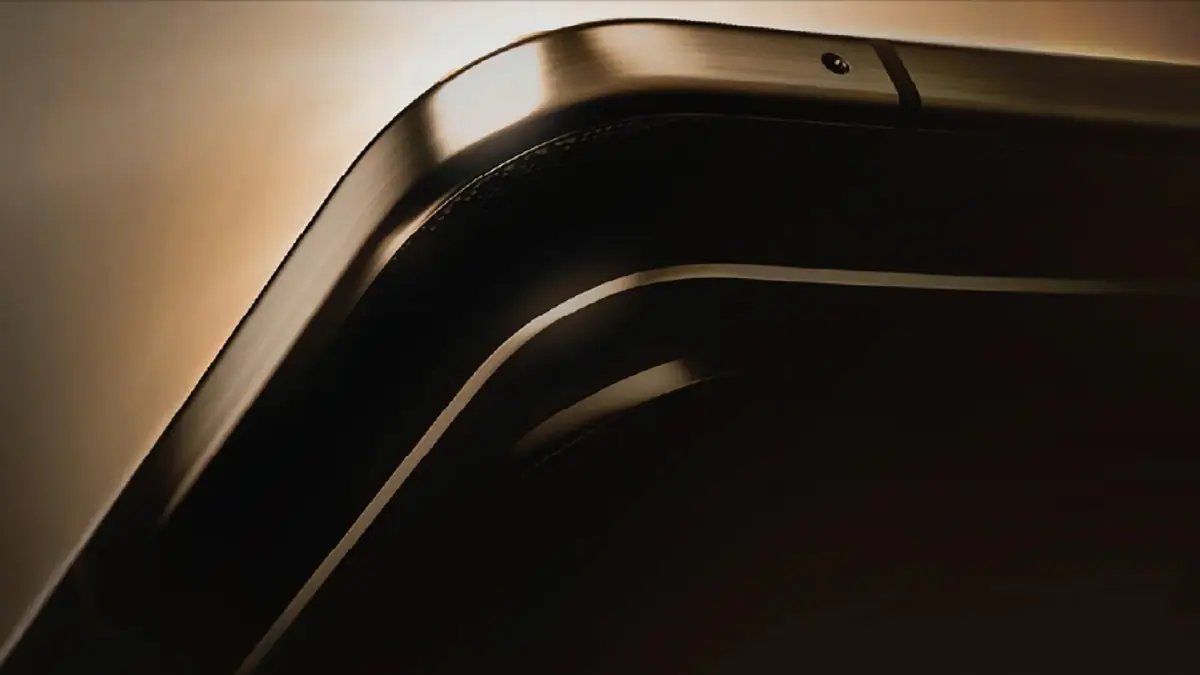
Hisense here has created what I think is its best-looking UST projector yet. The L9Q borrows some of the ideas from the retro-futuristic PX line to deliver a bronze-kissed work of art. Most of the frame of the L9Q is a little boxy, keeping it simple with clean lines, but the front has small channels with power indicator lights and the top bears a curved sort of wave meant to evoke Roman amphitheaters. That’s not just for style either, as the top integrates several speakers. The front is emblazoned with concentric rings and a grille on the front hides even more speakers. Around the side, there are two discs housing yet another pair of speakers.
While the design is very appealing, it’s also functional. The projector sits on four height-adjustable feet to help you level the projector and get a perfectly square image. Where its Hisense L9G predecessor was designed with specific screen sizes in mind (and included those screens), the L9Q is more flexible, offering adjustable keystone and focus to let you adapt it to your needs. The flip side is that the L9Q does not include any screen, which was an addition worth easily $1,000 on earlier models. Whatever screen you do set it up with, the projector can automatically fit the picture to it, though it’s a software solution and will reduce the actual image resolution.
Another set of sensors at the top of the projector helps protect your eyes. When these detect someone is close to the projection, they’ll dim the display, and after 5 seconds, turn it off entirely. That’s good to have since this projector uses bright lasers, and in my testing, the sensors have been fairly responsive.
Another update with the L9Q is that the throw ratio has been reduced to 0.18:1. This lets you get a big image while getting the projector closer to the wall.
Around back, the L9Q has a good selection of connections. You get four HDMI ports, two of which meet the version 2.1 spec. A separate HDMI offers eARC, so you don’t have to use up an HDMI 2.1 port for audio output. There’s also an optical digital audio output, an Ethernet input, and an RF input for the L9Q’s ATSC 3.0 receiver. The projector even supports a PVR recording system for broadcast TV using an attached storage device. Three USB ports round out the options, with two offering USB 3.0 speeds, and one of those using a Type-C connection.
Even if you don’t connect the projector to an external source, you can stream content on the built-in Google TV operating system. While many projectors include built-in operating systems like this, the L9Q actually has the hardware to run it smoothly. In my time testing, the system remained responsive even as I launched and navigated apps, and I could reliably control the projector at all times. The Wi-Fi 6E connection used by the streaming platform is also robust.
Hisense’s included remote is almost the same as what came with the PX3-Pro. It’s a long silver handset made out of plastic with the typical Google TV navigation ring. At the top, it features a handful of shortcuts to streaming apps, including one customizable shortcut. There’s also a dedicated input select button, which is always handy to have.
One difference between the remotes is that instead of having a control for brightness, the L9Q remote has a channel select button. This and the volume controls are on tall, pill-shaped buttons that are easy to feel out. One great feature of the remote is that it reacts to movement and will light up many of the controls if you simply move it. This is very helpful in the typically dark home theater environment.
Design and features score: 5/5
Powered by 5,000 lumens, the Hisense L9Q’s picture stands out even in bright lighting conditions (Image credit: Future)
Hisense L9Q Review: performance
Wonderfully bright picture with rich color
Support for 1080p/240Hz gaming
Potent 10-speaker Dolby Atmos sound
The Hisense L9Q brings UST projector picture quality to new heights. Hisense already impressed me with earlier models such as the L9G and PX3-Pro, but the L9Q carries the torch even further. It’s their brightest projector yet while still providing the stunning color of Hisense’s RGB laser light engine.
Ultimately, its specified 5,000 lumen brightness may be overstated, as maximum brightness comes via a high-brightness mode that results in some horrible color shift. But even without that, the projector beams a brilliant picture. The vivid colors it is capable of don’t mean a sacrifice in accuracy either, as the L9Q is both Pantone Validated and Pantone SkinTone certified.
All of that is delivered with strong contrast. The black levels aren’t so low that letterbox bars disappear completely, especially in darker movie scenes, but when the projector is beaming bright, the bars become hard to see thanks to the projector’s contrast.
With most picture presets, you’ll be facing some unfortunate motion smoothing, though, since the projector’s SDR and HDR picture profiles default to using motion smoothing. This has its benefits for some content by smoothing out camera pans and moving objects, but it adds a soap opera effect to movies. The “Film” setting avoids these unsightly artifacts while still keeping judder subdued, however.
The L9Q delivers good focus from corner to corner with manual setup, making the most of its 4K resolution. And the amount of detail you can see with the picture stretching up to 100 inches or larger is exceptional.
Gamers can get plenty from the L9Q as well. Even when it’s beaming a 4K 60Hz picture, it’s able to keep the input latency low enough to make for a fairly responsive experience. Like the Hisense PX3-Pro, the L9Q can drop down to 1080p and crank its refresh rate to 240Hz for super smooth gaming (just make sure to set the HDMI input source to Enhanced Pro or it will top out at 120Hz). I took it for a few runs in Hades, and it was stunningly smooth with virtually no detectable lag.
Though the L9Q did a good job of hiding the rainbow effect most of the time, it is susceptible to it like many other DLP projectors. I didn’t notice it much when watching 4K content, where it only occasionally cropped up and was most visible on white areas of the image. It was also more noticeable while running the projector at 1080p/240Hz.
The projector’s very robust speaker system was an extra pleasant surprise. It uses a total of 10 speakers in a 6.2.2-channel configuration. Four of those speakers are in the front, two on the sides, with four more positioned along the curved top. It’s not as engrossing as a proper surround system or as booming as a double-sub setup (nor is it hitting deep sub-bass), but the sound is weighty, loud, and presents a surprisingly wide soundstage for such a small unit.
With Dolby Atmos audio piping out of the speakers during Star Wars: The Force Awakens, blaster shots seemed to come out from different points in space, there was some height to the TIE fighters flying over, and explosions were properly booming. Ultimately, it’s worth pairing a projector of this quality with an external sound system, but if you don’t, there’s a lot to get from the built-in speakers.
The L9Q has a very appealing, yet functional design (Image credit: Future)
Hisense L9Q Review: value
High price
Extra value as an all-in-one system
No projector screen included in US and UK
The Hisense L9Q is a serious piece of kit, and it has the price to match. At $5,999 / £3,999, you have to expect a lot from this home theater projector, and for the most part, it delivers. Its picture is bright and color-rich, it has powerful built-in sound, and it has Google TV for streaming. But for most people, the $3,499 Hisense PX3-Pro is going to be the more sensible option, since it offers much the same experience but without quite the same brightness, audio power, or extensive connectivity options.
It’s kind of a shame that the L9Q doesn’t come bundled with a projector screen in the US and the UK, but its flexible lens control means you can pair it with whatever screen you want for the most part. Hisense had offered pre-order customers the option of either a free screen or its HT-Saturn sound wireless speaker system, both of which would have made this an astounding value, but that deal appears to have since expired.
French speaker and amplifier manufacturer Devialet designed the L9Q’s built-in audio system (Image credit: Future)
Swipe to scroll horizontally
Hisense L9Q
Header Cell – Column 0
Notes
Rating
Design and features
The Hisense L9Q is gorgeously designed and feature-packed. It has the most robust sound system I’ve heard built into a projector, it offers bright and flexible projection, and it has Google TV and plenty of ports for other video sources.
5/5
Performance
The L9Q’s picture is gorgeous. This projector beams bright, has a wide color gamut, strong contrast, and great clarity. It works well for movies and games alike. And that picture is paired with impressive speakers. Even the operating system runs smoothly, which is not always the case with projectors running Google TV.
5/5
Value
The Hisense L9Q packs a lot into one package. Its price isn’t surprising for even just its projection, but the speaker system makes it even more reasonable. It’s just too bad Hisense isn’t throwing in a screen as well.
My testing evaluates the projector’s performance with respect to its price and competition from other models that my colleagues and I at TechRadar have tested.
I have been testing projectors since 2021 and displays for even longer.
NASA’s Curiosity rover simply shared a a laugh vacation greeting from Mars! The venture crew had Curiosity snap some pictures at two other instances on November 18, 2025. They blended those photographs—one taken within the morning and some other within the overdue afternoon—giving us an exquisite view that presentations a Martian “dawn” and “sundown” : a morning blue sky and a day yellow hue. This cheerful postcard is a follow-up to equivalent ones Curiosity took again in 2023 and 2021.
Creating the Holiday Postcard
According to NASA, venture controllers steered Curiosity to make panoramic pictures at two moments on Sol 4722 at roughly 4:15 pm and Sol 4723 at roughly 8:20 am (native Mars time). The two black-and-white panoramas have been then stitched in combination and colourised (with the morning aspect blue and afternoon yellow) to carry out the Martian surroundings. The closing symbol is named an inventive interpretation by means of NASA and is geared toward highlighting more than a few main points.
Curiosity’s Legacy and Public Outreach
Curiosity landed in 2012 and has since coated a distance of greater than 25km across the Gale Crater and has sampled 42 rocks. NASA observes that the rover has additionally equipped scientists with courses at the historical past of Mars and the way it could have had lifestyles. This is a vibrant landscape that showcases the legacy of the rover and the NASA historical past of publishing spectacular Mars photographs. In 2023 and 2021, Curiosity created equivalent postcards with science and birthday celebration in every symbol.
Catch the newest from the Consumer Electronics Show on Gadgets 360, at our CES 2026 hub.
Realme 16 Pro, Realme 16 Pro+ Price in India, Storage Configurations Leaked
iPhone 17 Pro, iPhone 17 Pro Max Users Report Charging-Related Static Speaker Noise
Google quietly introduced its more moderen landscape machine to the Pixel 8 sequence by the use of a Pixel Camera replace.
The new landscape mode makes use of HDR+ to sew higher-quality frames with higher lighting fixtures and element.
Night Sight strengthen is the actual game-changer, letting you seize panoramas in low mild, town nights, or dim interiors.
Google is respiring new existence into its older flagship with a marvel replace that brings the Pixel 9’s landscape mode to the Pixel 8 sequence. This replace overhauls the interface and brings again the preferred Photo Sphere enjoy (type of), which was once removed from new devices starting with the Pixel 8 in 2023.
The update was released quietly with Pixel Camera version 10.2, which began rolling out in early December and is now on the Play Store (via 9to5Google). For Pixel 8 house owners, this replace gives a extra intuitive, guided taking pictures enjoy with smoother stitches and higher effects, particularly when used with Night Sight.
This up to date landscape mode makes use of the Pixel’s complete HDR+ photograph machine to take particular person fine quality frames and sew them in combination. This manner collects extra symbol knowledge, leading to higher-quality photographs and stepped forward dynamic vary.
The interface is encouraged by means of Photo Sphere and makes use of floating dots to steer you during the seize procedure. As you progress your telephone and line up every dot, a small preview seems above the viewfinder to turn your development.
The machine additionally has a degree indicator to lend a hand stay your pictures directly, which is vital for averting misalignments that may ruin a landscape.
Image 1 of 3
(Image credit score: 9to5Google)
(Image credit score: 9to5Google)
(Image credit score: 9to5Google)
Shoot any direction
A standout feature of this update is its flexible capture direction. By tapping the settings gear, you can choose to capture left, right, up, or down when your phone is in landscape orientation.
The integration with Night Sight is particularly noteworthy. In panorama mode, you can set Night Sight to Off, Auto, or On, which allows you to take panoramic shots in low light. This feature could change how you photograph city skylines, starry nights, or indoor architecture.
Get the latest news from Android Central, your trusted companion in the world of Android
If you haven’t used panorama mode in a while, this update is a good reason to try it again.
2026 may simply be the yr Apple will promote its first folding iPhone — however stories counsel the fee might be round $2,400, which might make it the most costly folding telephone available on the market.
Apple’s were given a couple of different new merchandise anticipated to land in 2026, too, they usually would possibly not simply make headlines for prime costs. There’s communicate of a lower-cost MacBook within the works, in addition to a number of merchandise for the good house, together with a Home Hub.
In this week’s episode of One More Thing, which you’ll watch embedded above, I wreck down what might be Apple’s 3 greatest new merchandise anticipated to release in 2026, past the standard upgrades.
And with Apple celebrating its fiftieth anniversary in 2026, do not be expecting this to be an ordinary yr.
For extra One More Thing, subscribe to our YouTube web page to catch Bridget Carey breaking down the most recent Apple information and problems each and every Friday.
Groundbreaking applied sciences are remodeling on a regular basis existence, and this 12 months was once no exception. In 2025, we witnessed a number of new units that driven the margins of technological innovation. These come with a bunch of foldable smartphones, good wearables and extra. Many leading edge units that had been only a thought become to be had commercially this 12 months. As we’re heading into a brand new 12 months, we have now rounded up one of the most maximum distinct units of 2025 that stand out for his or her design, capability, and innovation.
The listing contains Samsung’s long-awaited triple-folding smartphone, the Galaxy Z TriFold; Apple’s iPhone Air; Ray-Ban Meta Gen 2 Glasses; Lenovo’s ThinkBook Plus Gen 6 Rollable; and Halliday Smart Glasses.
Contents
Samsung Galaxy Z TriFold
Samsung’s long-awaited triple folding smartphone, the Samsung Galaxy Z TriFold, went professional this 12 months. The new smartphone marked Samsung’s foray into the multi-folding handset marketplace. The TriFold is without doubt one of the first commercially to be had triple-screen foldable telephones within the global marketplace and pushes the bounds of cellular shape elements. It options an inward-folding design and has a 10-inch QXGA+ Dynamic AMOLED 2X primary show with as much as 1,600 nits of height brightness and as much as 120Hz adaptive refresh fee.
The Galaxy Z TriFold includes a 6.5-inch full-HD+ Dynamic AMOLED 2X duvet show with 2,600nits of height brightness, as much as 120Hz adaptive refresh fee. It has an octa-core 3nm Snapdragon 8 Elite for Galaxy chipset underneath the hood, coupled with 16GB of RAM and as much as 1TB of onboard garage. The handset is preloaded with Android 16-based OneUI 8.
For optics, the Galaxy Z TriFold has a triple rear digicam unit led via a 200-megapixel number one digicam. The digicam setup additionally features a 12-megapixel ultrawide digicam and a 10-megapixel telephoto digicam with as much as 30x virtual zoom. The telephone has a 10-megapixel selfie digicam on each the duvet display and primary display. The telephone has a 5,600mAh battery with 45W stressed out and 15W wi-fi rapid charging enhance.
Samsung Galaxy Z TriFold Price
The Galaxy Z TriFold is priced at KRW 3,59,400 million (kind of Rs. 2.2 lakh) in South Korea. It will quickly be to be had in the United States beginning Q1 subsequent 12 months.
iPhone Air
The iPhone Air was once launched in September 2025 as Apple’s thinnest ever smartphone thus far. The new tool set traits via combining Apple’s design language with new engineering, and challenged different smartphone producers to shift their designs. The iPhone Air measures simply 5.6mm in thickness.
The telephone includes a 6.5-inch Super Retina XDR OLED show with ProMovement enhance. The show helps as much as 120Hz refresh fee and reaches as much as 3,000 nits. It runs on an Apple A19 Pro chipset and helps Apple Intelligence options.
The iPhone Air options Apple’s N1 chip. It makes use of a C1X modem. On the rear, it has a 48-megapixel digicam with an f/1.6 aperture. On the entrance, the tool boasts an 18-megapixel sensor for selfies and video chats. The telephone has a three,149mAh battery and is alleged to ship as much as 27 hours of video playback on a unmarried fee.
iPhone Air Price in India
The worth of iPhone Air begins at Rs. 1,19,900 for the bottom style with 256GB garage in India. The 512GB and 1TB garage variations are priced at Rs. 1,39,900 and Rs. 1,59,900, respectively. The telephone is to be had in Sky Blue, Light Gold, Cloud White, and Space Black color choices.
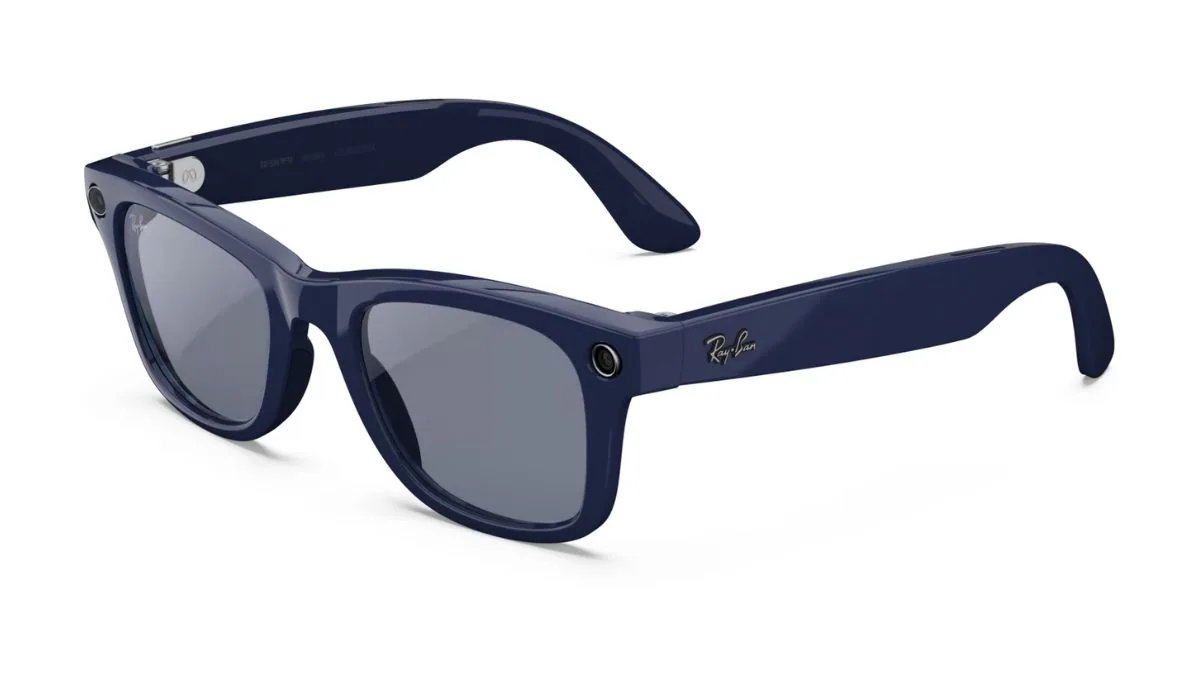
The Ray-Ban Meta Gen 2 Glasses are co-developed via Meta and EssilorLuxottica. This style keeps the design of conventional Ray-Ban glasses whilst integrating complicated options. The good glasses permit customers to take pictures and movies hands-free and get admission to the Meta AI voice assistant. The tool has open-ear audio system for audio.
Available in a couple of body kinds like Wayfarer and Headliner with other finishes, the Ray-Ban Meta Gen 2 Glasses characteristic a 12-megapixel ultra-wide digicam in a position to shooting 1080p movies as much as 60 seconds. They have a five-microphone device. Users may also move at once to Instagram and Facebook with the good glasses.
The Ray-Ban Meta Gen 2 Glasses enhance Bluetooth 5.3. They fit with each iOS and Android during the Meta View app. The glasses include as much as 32GB of interior garage. The glasses are claimed to ship as much as 8 hours of utilization on a unmarried fee. The case of the glasses is claimed to supply an extra 48 hours value of charging.
Ray-Ban Meta Gen 2 Glasses Price in India
The Ray-Ban Meta Gen 2 Glasses worth in India begins at Rs. 39,900. They are to be had in Headliner, Skyler, and Wayfarer kinds and Shiny Cosmic Blue, Shiny Mystic Violet, and Shiny Asteroid Grey sunglasses.
Lenovo ThinkBook Plus Gen 6 Rollable AI
Lenovo introduced the Lenovo ThinkBook Plus Gen 6 Rollable AI PC at CES 2025. It is the primary computer to characteristic a vertically increasing rollable OLED show. The display can lengthen with the clicking of a devoted button or via camera-based gestures, permitting customers to experience extra space for multitasking.
Under the hood, the Lenovo ThinkBook Plus Gen 6 Rollable AI has an Intel Core Ultra 7 (Series 2) processor, paired with as much as 32GB of RAM and 1TB of SSD garage. The rollable show can shift a 12.7-inch display into a bigger 15.3-inch vertical show. This OLED panel provides a 2.5K solution. It makes use of Intel Arc graphics and runs on Windows 11.
The Lenovo ThinkBook Plus Gen 6 Rollable AI includes a 5-megapixel IR digicam. It has 2W Harman/ Kardon audio system with Dolby Atmos enhance. It includes a 66Wh battery.
Lenovo ThinkBook Plus Gen 6 Rollable AI Price
The Lenovo ThinkBook Plus Gen 6 Rollable AI PC has a beginning price ticket of $3,499 (kind of Rs. 3,00,300). It is to be had in choose world markets.
Halliday Smart Glasses
Another notable, distinctive product launched this 12 months is Halliday good glasses that include a number of AI options and a display that makes use of a sensible ring for regulate. This product merges augmented fact (AR) with conventional eyewear design. Halliday glasses can overlay virtual content material at once onto the wearer’s visual view in genuine time. This permits customers to get navigation instructions and notifications. The good glasses use a DigiWindow show module constructed into the body. A wearer can see a kind of 3.5‑inch display within the higher‑proper in their view.
The Halliday good glasses can also be worn all day like standard eyewear. It weighs round 35g. The glasses fit with prescription lenses and enhance Bluetooth pairing with smartphones. The glasses can also be controlled via a sensible ring accent or contact controls at the body. Halliday glasses additionally reply to voice instructions, gestures, and eye-tracking. They supply real-time object popularity and translation.
Halliday Smart Glasses Price
The Halliday good glasses are priced $449 (kind of Rs. 40,000) and are lately to be had in choose world markets like the United States.
As Android Central’s Wearables Editor, I stopped 2024 via predicting what would occur with Galaxy, Pixel, OnePlus, and different Wear OS watches in 2025. Some predictions have been lifeless on; others have been wishful considering. Looking again, I’m grading the place those firms met, exceeded, or fell wanting my expectancies.
I incorrectly guessed that Samsung wouldn’t “go the squircle route” and that we’d see a Moto 360 successor this year. But despite my misses, I’m generally happy with my educated guesswork.
On the other hand, Wear OS 6 brought a major health & fitness focus with Samsung adding an equivalent to training load (Vascular Load) and other health tools (Antioxidant Index), though the upcoming heart failure predictor is a pleasant surprise.
With Google, the Fitbit Personal Health Coach preview shows Google attempting to “keep up with fitness rivals,” with training plans for cycling, weightlifting, and other sports besides running, as I’d hoped. Plus, the Pixel Watch 4 got a nice boost with dual-band GPS.
However, I will admit that Wear OS 6 had more substantial UI and system changes than I’d expected with the advent of Material 3 Expressive.
Get the latest news from Android Central, your trusted companion in the world of Android
(Image credit: Brady Snyder / Android Central)
I had a feeling that Gemini would not only blow up on Wear OS after taking over the Google Assistant but also become the Pixel Watch 4’s “killer app.” It’s not too surprising that Google made sure to give its smartwatch exclusive AI tricks: Raise to Talk and on-watch smart replies.
On the Galaxy Watch 8, I noted that I didn’t expect Samsung to use a squircle display, that we’d see a Galaxy Watch 8 Classic, and that Samsung would keep selling the Ultra before launching an Ultra 2 next year, all of which largely came true this year. However, I didn’t expect the Galaxy Watch 8 to ditch its usual rounded style for a squircle design, giving it its first major redesign in some time.
(Image credit: Michael Hicks / Android Central)
One good thing we saw this year was that Facer’s claim that it was “working hard with Google” to solve its Wear OS 5 ban wasn’t just corporate-speak: It partnered with Google to bring 3rd-party watch faces back to Wear OS 6, and they look great.
Unfortunately, not everyone was on board with Wear OS like I had hoped. It was wishful thinking that Motorola would return to Wear OS. We did see an HMD Global Wear OS leak this summer for two “Rubber” kids’ smartwatches, but they’ve yet to become official, and since HMD has abandoned American Nokia smartphone sales, I’m not sure if they’ll ever launch.
I also warned that Wear OS would continue to be plagued with slow updates from companies that aren’t Samsung and Google, particularly that Mobvoi would struggle to implement Wear OS 5 on TicWatches; turns out, Mobvoi may have stopped selling TicWatches for good. OnePlus was also not immune to slow updates, despite having one of the best Wear OS watches on the market, and it’s now months behind its promised Q3 update window for the Watch 2.
There were also no hardware updates for Fitbit watches in 2025, which is no surprise. While I knew I was “going out on a limb,” I thought Google might stop selling Fitbit hardware entirely — besides the Pixel Watch — and might expand its app to more watches. Instead, Google is promising new Fitbit hardware in 2026, so I’m thrilled to be wrong.
While the main hardware launch gets an “A,” I have to knock Google for a few other developments. First, the Pixel Watch 1 didn’t get Wear OS 6, confirming that Galaxy Watches get at least one extra version update than Google’s, if not two. This lessens Pixel Watches’ long-term value.
The messy Wear OS 5.1 update in March proved that Google had some QC work to do, though later updates have been pain-free. My bigger complaint is about Google’s Wear OS stewardship: Mobvoi fleeing the platform in 2025, after Fossil left in 2024, suggests the “open” platform isn’t profitable enough for smaller, non-Android brands anymore.
We don’t have Pixel Watch 4 sales numbers, but Omdia‘s chart displays how Google’s wearable income since 2022 have peaked in each fourth quarter, and we will suppose the Watch 4 will hit a brand new prime, given its very good {hardware} and sure person opinions up to now.
Samsung in 2025: B
(Image credit score: Andrew Myrick / Android Central)
Samsung is constantly some of the most sensible smartwatch manufacturers international, however its gross sales dipped dramatically in Q1 2025 and haven’t fully recovered. Omnia displays Samsung wearable gross sales climbed this autumn, however Samsung nonetheless misplaced 2% marketplace proportion, whilst Counterpoint tracked a 5% marketplace drop for Samsung smartwatches within the final quarter.
You can blame a couple of elements, like a lackluster Galaxy Watch 7 technology or Huawei stealing Samsung’s global marketplace proportion. It is sensible that Samsung took a large swing with the Watch 8 and Watch 8 Classic designs, seeking to recapture shopper hobby, and reversing its falling developments could be a long-term mission.
My colleague Brady loves how thin and light-weight his Watch 8 is, and says folks mustn’t disregard the squircle design as unpleasant till they see it in particular person. I additionally like my Classic’s rotating bezel and scale border, however I’m extra lukewarm on its cumbersome weight and smaller show. The Ultra (2025) is just value bringing up, with the inexpensive fashions stealing the Ultra’s glance, 3rd button, and brighter show.
I respect Samsung’s dogged resolution to trace as many well being metrics as conceivable. On the health facet, the Running Coach and the brand new iFit video workout routines would possibly not wow any person.
I’m extra passionate about Samsung’s spin-off of Wear OS 6, One UI 8 Watch, which provides very good Tiles and the helpful Now Bar along new watch faces and an potency spice up. And with the Galaxy Watch 4 anticipated to obtain the replace earlier than EOY, Samsung has established itself as the simpler possibility for tool strengthen over Google.
OnePlus in 2025: B-
(Image credit score: Nicholas Sutrich / Android Central)
Yes, the “Meda in China” typo delayed its launch into April, but that was a nothingburger. And OnePlus followed up by launching a Watch 3 43mm in July, and while the signature battery life has shrunk, it still lasts two days, the same as the Pixel Watch 4 45mm.
The bigger issue concerns the OnePlus Watch 2 and Watch 2R. OnePlus Watches are due to receive two OS updates, but these 2024 models are still stuck on Wear OS 4 — two versions behind the competition — delayed from OnePlus’s promised Q3 2025 update window for Wear OS 5. I thought OnePlus would be better than Fossil and Mobvoi at promptly updating its watches, and I’m concerned that history is repeating itself.
Then we ended the year with the OnePlus Watch Lite, which I hoped would be a cheap Wear OS watch; instead, it’ll use a proprietary OS, similar to the original OnePlus Watch. This doesn’t guarantee that OnePlus will abandon Wear OS for good, but it does feel like another warning sign.