Oura Ring, known for its innovative smart ring tracking sleep quality and vital health metrics, has elevated its commitment to health care with the appointment of former Apple executive Jason Oberfest. Formerly a pivotal figure in Apple’s health team since his transition from startup Mango Health in 2018, Oberfest now assumes the role of Head of Clinical Strategy at Oura, and his expertise is expected to bolster Oura’s health-care strategy.
Tom Hale, CEO of Oura, expressed enthusiasm about the company’s expansion plans and highlighted the significance of Oberfest’s addition to the team. “With Jason’s hiring, we are poised to delve deeper into the health-care world,” Hale said to Bloomberg. Oberfest will take the reins of Oura’s health-care team and lead the development of its clinical strategy, marking the initiation of a new chapter for the company.
Oura’s Health Tech Roadmap
Oura’s ambitions align with Hale’s vision to position the Finnish company as more than just a wellness tracker, aiming to emulate Apple’s success in transforming its watch into a legitimate health tool. Apple, in 2018, made history by introducing the first consumer tech watch doubling as a health device. The Apple Watch’s features, including an FDA-cleared electrocardiogram (ECG), have proven instrumental in alerting users to irregular heart rhythms and potential signs of atrial fibrillation (AFib).
Apple’s seamless integration of health and fitness features has become integral to its product offerings. The latest Apple Watch model boasts a thermometer for fertility planning, a blood oxygen level sensor, advanced sleep tracking algorithms, and an ECG system. The company has extended its health focus to the iPhone, turning it into a fitness tracker with the capability to access hospital records. Apple has even shared compelling stories of its products saving lives by detecting critical health conditions and automatically summoning emergency services during accidents.
While Apple has continued to prioritise health and fitness in its wearable technology, Oura Ring has advanced its health-focused research and formed partnerships to position the smart ring as a holistic health tool. Notably, the company has inked a deal with a health e-commerce platform to facilitate the purchase of the ring through flexible health-care spending accounts (FSAs).
As the wearables market witnesses an evolution from fitness tracking to vital health management, Oura Ring’s strategic hiring of Oberfest signals a pivotal moment in the company’s journey to become a prominent player in the healthcare technology landscape.
Google receives a substantially lower commission when Spotify’s customers choose to make purchases using the search giant’s in-app billing service.
Google allowed Spotify to sidestep the company’s mandatory Play Store fees, a company executive reportedly confirmed while giving testimony during the ongoing Epic vs Google trial. The Verge reports that a confidential deal with the streaming giant has come to light, revealing that Spotify was allowed to process its own payments on the service without paying Google a commission. The search giant previously sought to protect the details of its deal with Spotify under wraps during the ongoing case with Fortnite maker Epic Games.
According to the report, Google’s head of partnership Don Harrison testified during the ongoing Epic vs Google trial that Spotify did not pay the company any fees when it processed customer payments on its own. If customers chose to pay Spotify via Google’s in-app billing service, the platform paid Google a 4 percent commission.
Google charges most publishers on its platform a 15 percent cut of all app purchases and in-app purchases, but this figure can be lowered in South Korea, India, and 35 other countries where the company offers developers an alternative — user choice billing — that reduces the commission by 4 percent.
The report states that aside from the music streaming platform’s popularity on Android, the Google executive also testified that the search giant and Spotify had agreed to a “success fund” that would see each firm commit $50 million (roughly Rs. 410 crore).
It is worth noting that while Spotify might be receiving special treatment from Google, the company is still liable to pay the in-app purchase commission — that can go up to 30 percent of each transaction — on Apple’s App Store. Like Netflix and many other services, the streaming service doesn’t allow users to purchase a subscription via the Spotify app on iOS.
It’s too early to tell whether these revelations will have an impact on Epic Games’ case against Google. The game publisher sued both Apple and Google over their alleged antitrust practices that include preventing the use of alternative billing systems and alternative app stores on iOS and Android, respectively. The trial has revealed a lot of interesting details about Google and other firms — including a multibillion-dollar deal with Samsung to have the Play Store, Assistant, and Search apps as defaults on Galaxy smartphones.
The Epic vs Apple trial ended earlier this year when the Ninth Circuit Court affirmed a 2021 decision that found the iPhone maker’s ban on competing app stores on iOS did not violate US antitrust law. Apple lost only one claim in the trial — the firm would have to allow developers to allow links to external payment systems inside their apps. Epic has appealed the verdict at the US Supreme Court, while Apple has asked the court to strike down the ninth circuit court’s order blocking its anti-steering rules.
The Android ecosystem is all about choice. While iPhone owners have a smaller pool of new devices to pick from when it’s time to upgrade, there’s a much wider range of choices on Android. You want a 10x telephoto lens on your phone? A built-in stylus? A phone that runs a complete desktop environment when you plug it into a monitor? You can find it on Android. Heck, you can find all of that in a single device.
On the flip side, all that choice can make for some hard decisions. Here’s where I’d like to help; I’ve tested a whole boatload of recent Android phones, and I think there are some real winners in the current crop. It’s all a matter of what you’re looking for, what you’re comfortable spending, and what your definition of a “reasonably sized phone” is.
Here’s something else to factor in: one of the year’s biggest Android phone launches is likely just around the corner. We’re expecting Google to announce new Pixels this fall, as it tends to do, and rumors point to some substantial upgrades to the camera along with the end of the curved-edge design, at last. If you’re interested in a new Pixel, it’s worth waiting a while to see what’s new this year. Otherwise, most of the year’s major Android phone launches are behind us, and there are some great options on the table.
Contents
What I’m looking for
Longevity
A great Android phone will go the distance. I look for signs that the hardware and software will keep up for many years to come, including a strong IP rating for dust and water resistance (IP68 is preferred), durable glass panels on the front and back, and a sturdy aluminum frame rather than plastic. A minimum of three years of Android OS version upgrades is preferred, along with a total of four or five years of security updates.
A great screen
The best Android phones have plenty of resolution to cover their large display area, which means 1080p or higher. A fast refresh rate of at least 120Hz is preferred — animations and scrolling look super smooth at that rate — and even better if it’s variable down to 1Hz to save on battery life.
Quality cameras
Any phone can take a decent photo in good lighting, but the best phone cameras can handle low light and high-contrast scenes well, too. I look for optical (most common) or sensor-shift (rare) image stabilization, which helps compensate for hand shake and enable slower shutter speeds in low light to gather more light. A telephoto lens is great to have too, though high-res sensors are starting to offer better lossless crop modes that mimic short 2x lenses well.
Wireless charging
Most phones on this list offer wireless charging, though not all do. Lack of wireless charging isn’t a complete deal-breaker, but it’s becoming an essential feature for a lot of people since it’s convenient for charging many different kinds of devices.
If you live in the US, I have some bad news about the Android market, though. For complicated reasons having to do with “capitalism” and “geopolitics,” we don’t get nearly as many of the options as you’ll find in Asia and Europe — brands like Huawei, Xiaomi, Honor, and Oppo just aren’t available here. I’ve limited this guide to the devices I’ve personally tested in depth; thus, it is a fairly US-centric set of recommendations.
With that in mind, it’s also worth acknowledging that most people in the US get their phones “for free” from their wireless carrier. If you can manage it, buying a phone unlocked will give you the most flexibility and freedom if you end up wanting to change carriers in the near future. Phone manufacturers also offer financing and trade-in deals to make payment more manageable. But if you’re happy with your carrier and the free phone on offer is the one you really want, by all means, take the free phone. Just make sure you understand the terms, especially if you need to change plans to cash in on the deal.
However you go about it, you have some fantastic options for your next Android phone.
Best Android phone overall
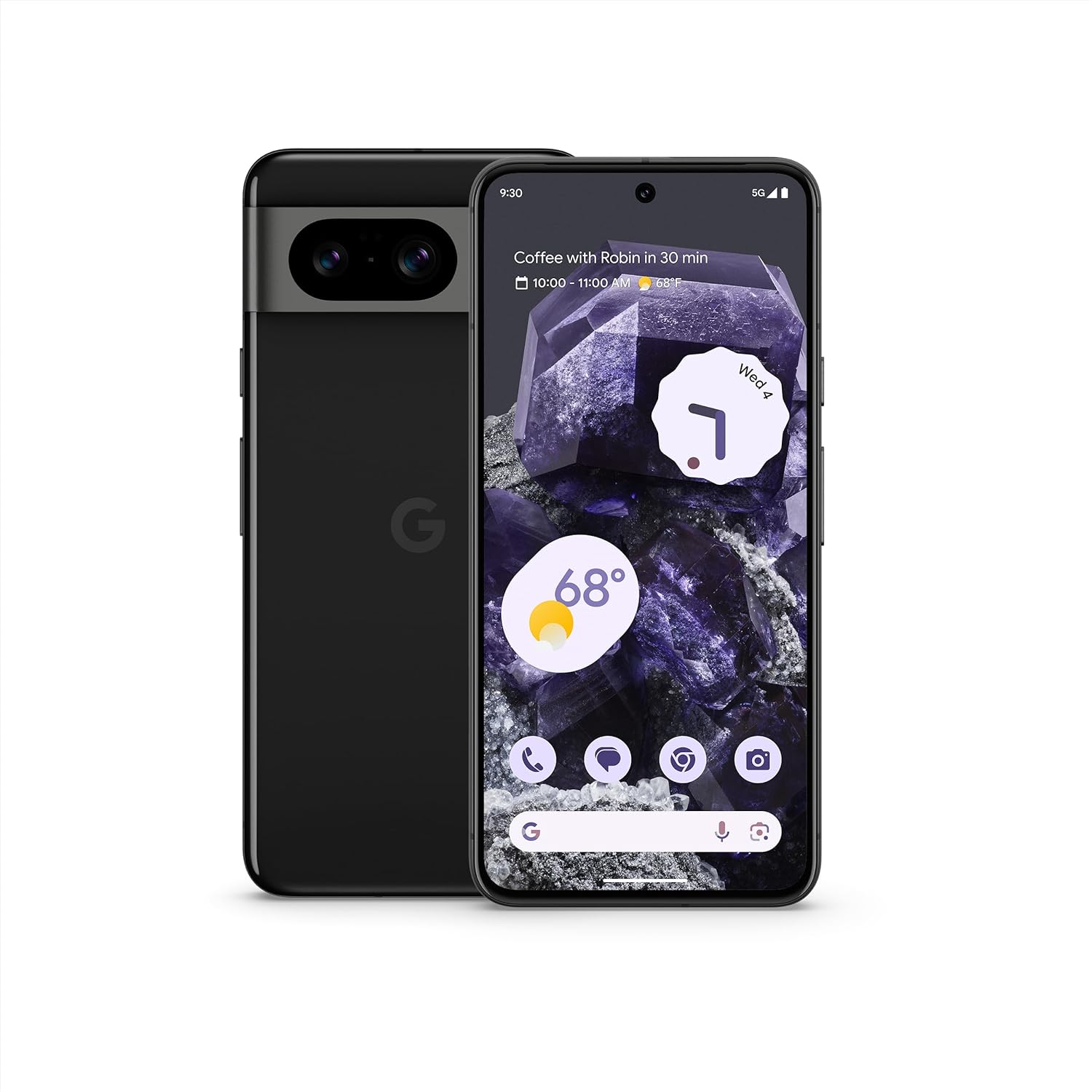
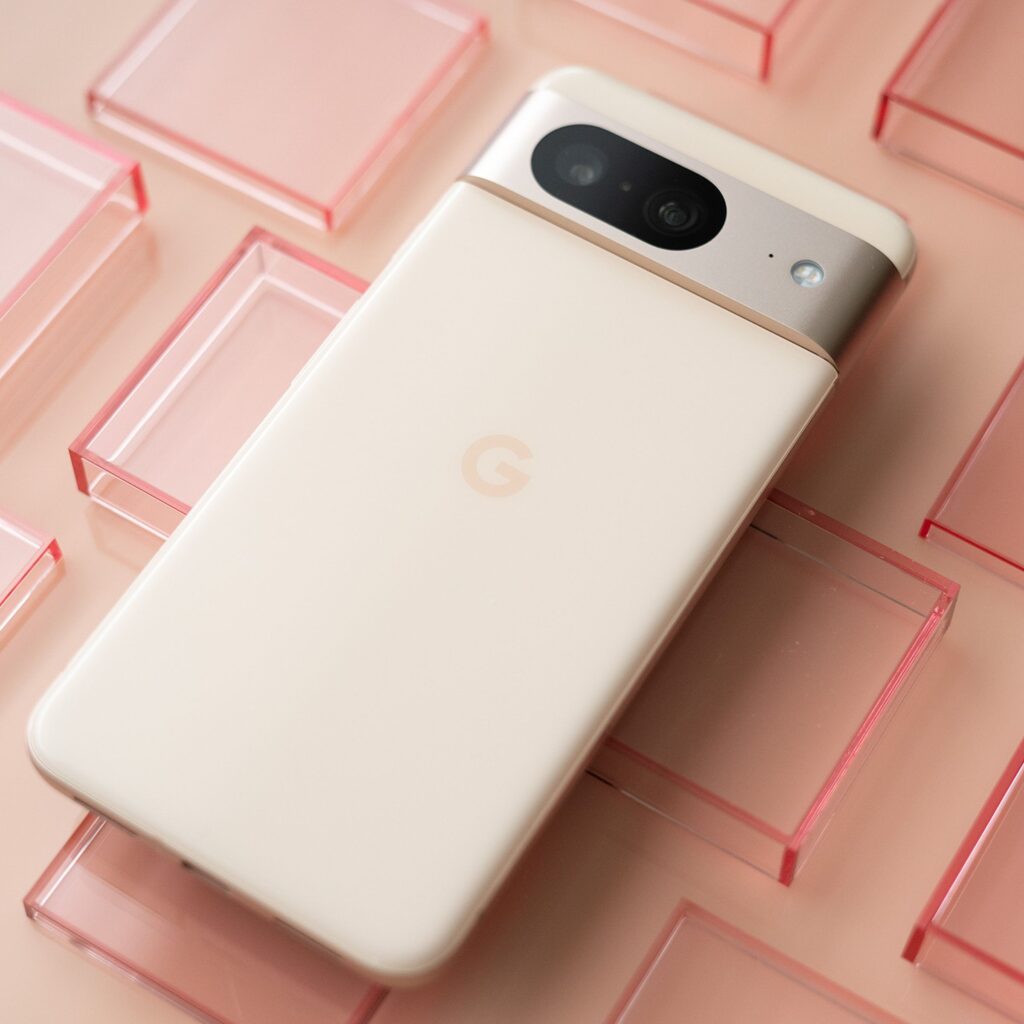
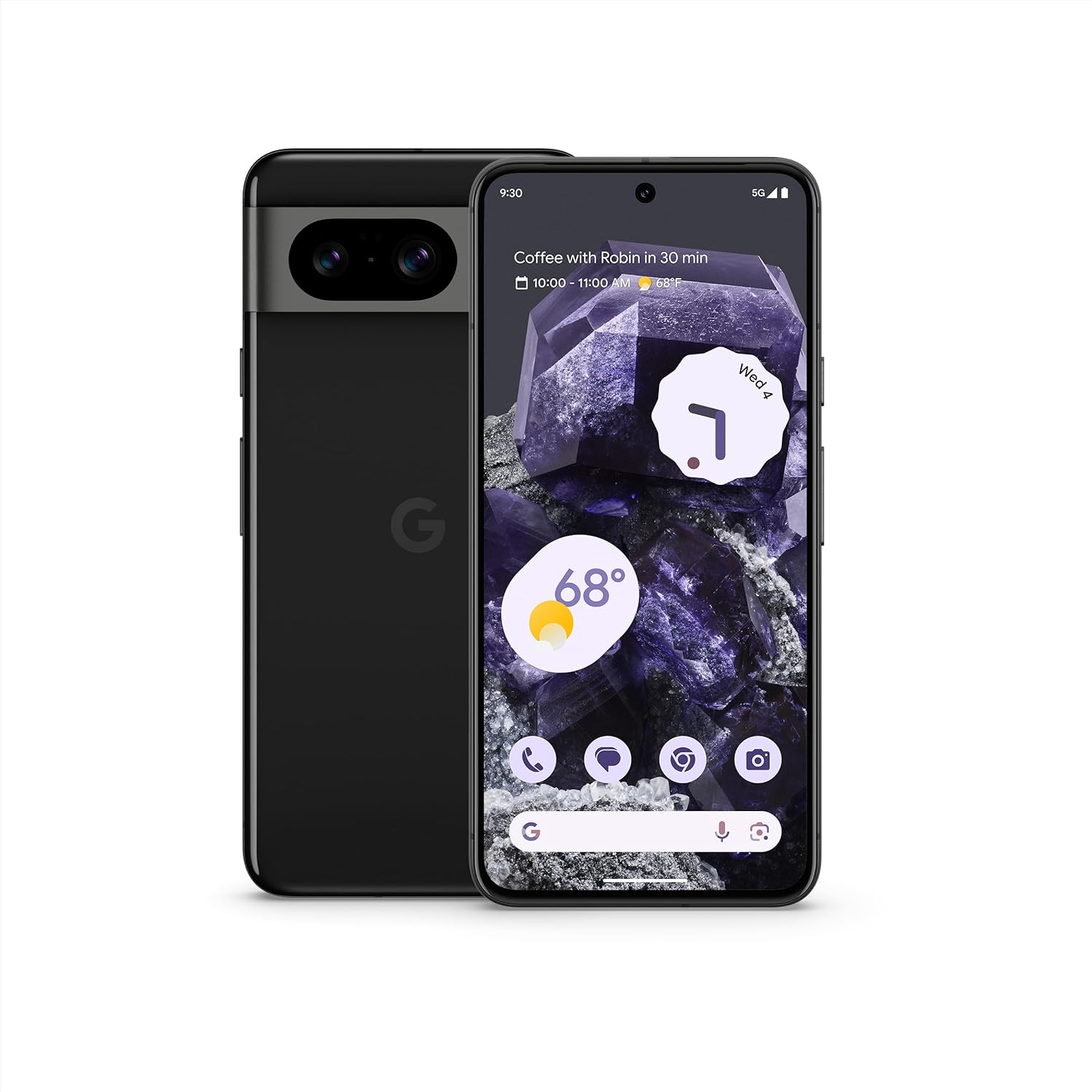
Google Pixel 8
The Pixel 8 comes with just a couple of key upgrades over the Pixel 7, and it misses out on several higher-end features on the 8 Pro, like a telephoto lens. But its combination of price, features, and the promise of seven years of OS updates makes it the best mainstream Android phone to buy right now.
There’s more space between Google’s standard and Pro model Pixels in the 8 series than there’s been in the past couple of generations. The Pixel 8 will miss out on some of the showcase AI technologies that the Pro will get in the coming year, but even so, it’s a phone with a lot of smarts and quality-of-life updates that would make just about anyone happy.
A lot has changed here and there from the Pixel 7, starting with the size. In an age of big and bigger phones, the Pixel 8 actually shrank a little year over year, from a 6.3-inch screen to 6.2 inches. This brings the overall device dimensions down just a smidge, too, making it a more comfortable phone to hold one-handed. The screen has been upgraded with a 120Hz top refresh rate, which has become the standard for high-end phones (at least on Android).
The Pixel 8 doesn’t have the biggest screen or the most bells and whistles, but it does the basics well with meaningful improvements over the Pixel 7.Photo by Allison Johnson / The Verge
Other updates aren’t immediately obvious but make a real difference in how you use the phone in your daily life. Face unlock now works for payments and password managers — not just unlocking your device. Google Assistant is better at understanding pauses and emphasis in natural language, which makes it feel like a more useful tool in general. The camera system is good as always, bolstered this year by the addition of some AI-driven photo editing tools that are creepily good.
Importantly, the Pixel 8 gets the basic stuff right, too. The battery goes all day, there’s an IP68 rating for robust dust and water resistance, and wireless charging is an option if you’re into that. Best of all, Google is promising seven years of OS upgrades, which is a big improvement over the three platform updates it offered on previous models. All of the above makes it a winner if you’re looking for the best phone to get you through your day now — and keep up for a long time to come.
Best “small” Android flagship
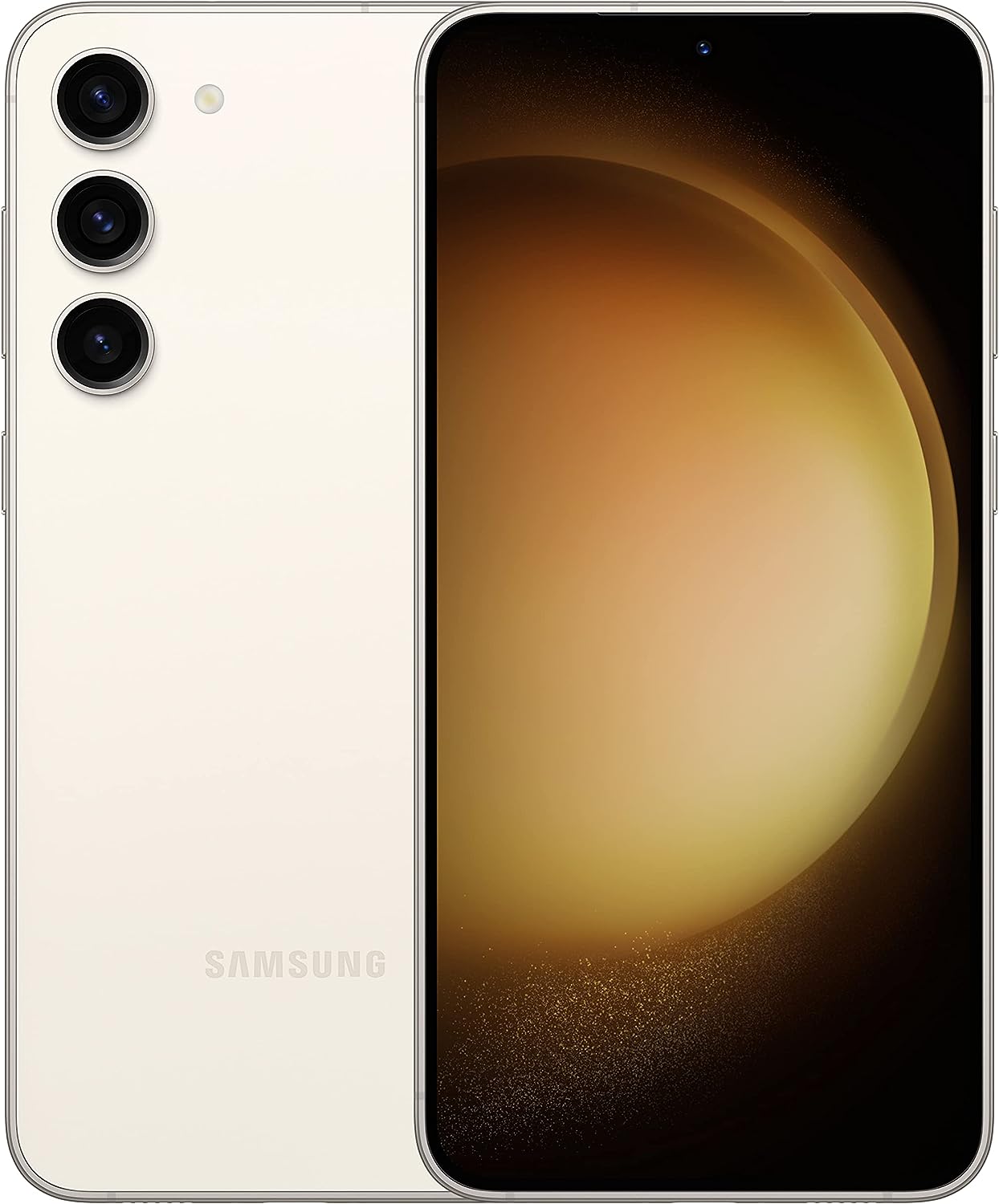
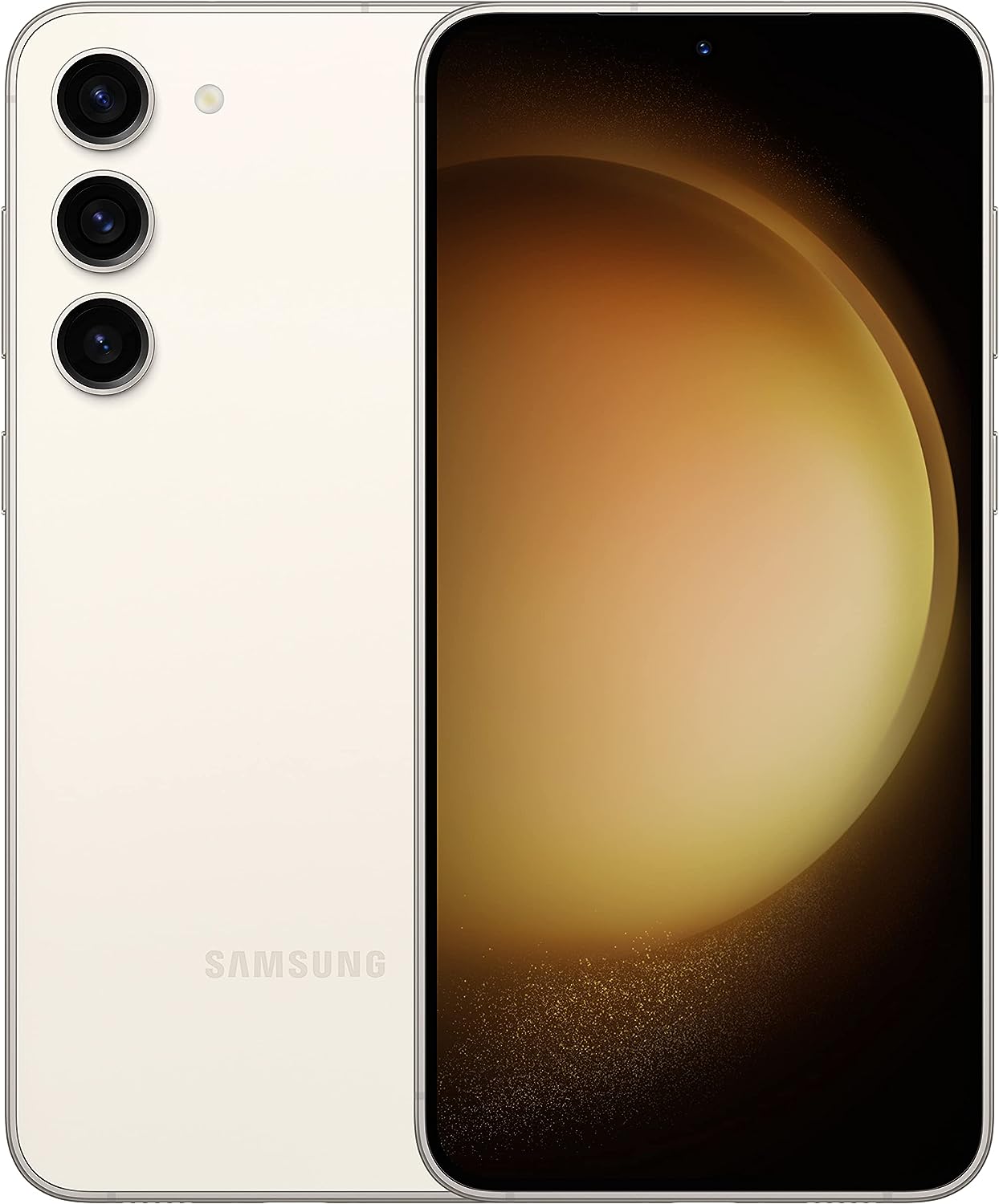
Samsung Galaxy S23 (128GB)
Samsung’s Galaxy S23 phone maintains a 6.1-inch screen like its predecessor, but it now has a brighter panel with a stronger Gorilla Glass covering for improved drop protection. Design-wise, it eschews the camera bump around its three rear cameras, and it also has a bigger battery than the S22.
Screen: 6.1-inch 1080p 120Hz OLED / Processor: Qualcomm Snapdragon 8 Gen 2 for Galaxy / Cameras: 50-megapixel F1.8 main with OIS, 10-megapixel 3x telephoto with OIS, 12-megapixel ultrawide, 12-megapixel selfie / Battery: 3,900mAh / Charging: 25W wired, 15W wireless / Weather resistance: IP68
The Samsung Galaxy S23 isn’t really a small phone. It’s just an average-sized phone, but average starts looking awfully small when the biggest phones come with 6.8-inch screens. It’s a little bit bigger than the Asus Zenfone 10, but its bigger 6.1-inch screen compared to 5.9 inches is worth the tradeoff of a slightly taller phone. It also has all the conveniences of a true flagship phone, too: wireless charging, an IP68 rating for thorough water and dust resistance, plus a dedicated telephoto lens.
The Galaxy S23 is a smaller sibling to the S23 Plus and a great option if you don’t want a big phone.Photo by Allison Johnson / The Verge
The camera system is capable of excellent photos, though Samsung’s processing really likes to lean into vivid colors, and sometimes it’s too much. Portrait photos are excellent, though, particularly with the 3x telephoto lens. Battery life is good enough to get through a full day, but if you plan to do a lot of gaming or other processing-intensive activities, you might need a midday recharge. Small phones, small batteries, etc.
It may not qualify as truly small, but as other phone makers push more features to their bigger, higher-end models, the Galaxy S23 stands out as a well-equipped almost small phone. Just don’t mention it to an iPhone Mini fan — it’s too soon.
Best phone with everything but the kitchen sink
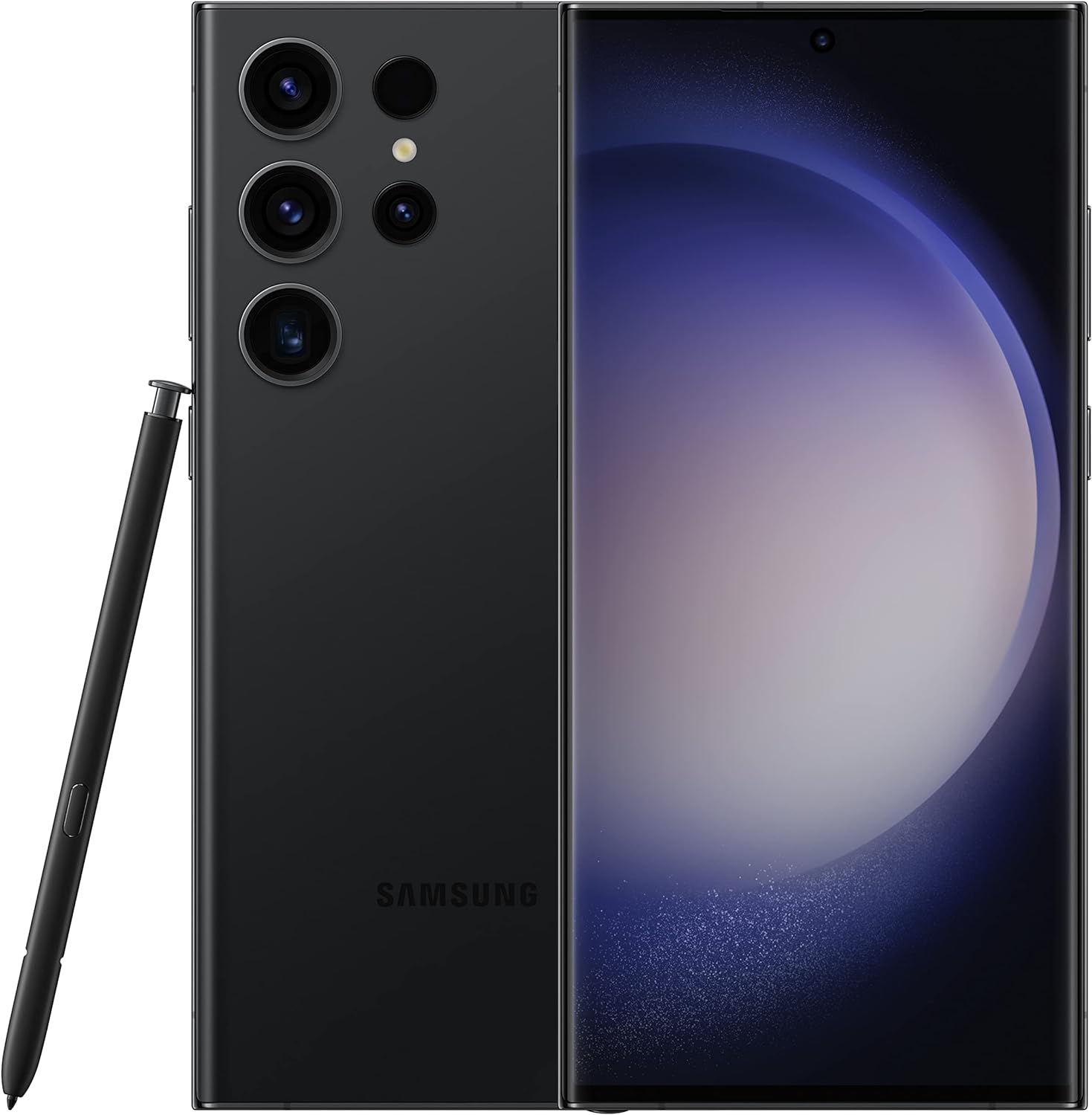
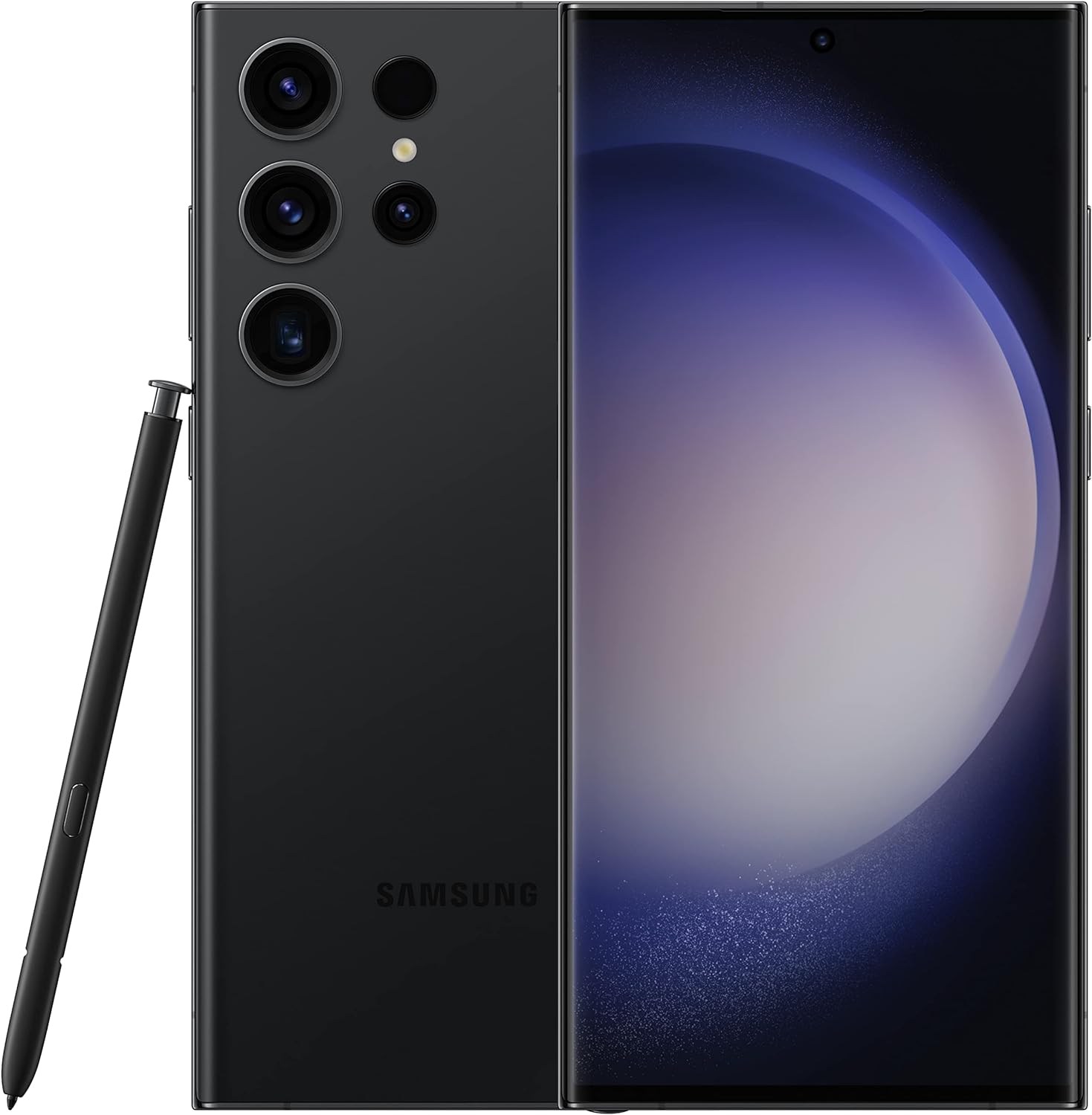
Samsung Galaxy S23 Ultra
The Galaxy S23 Ultra offers a huge 6.8-inch screen, built-in S Pen stylus, two telephoto cameras, and a top-notch Snapdragon 8 Gen 2 chipset. It’s pricey, but there’s nothing else quite like it on the market.
Screen: 6.8-inch 1440p 120Hz OLED / Processor: Qualcomm Snapdragon 8 Gen 2 for Galaxy / Cameras: 200-megapixel main with OIS, 10-megapixel 10x telephoto with OIS, 10-megapixel 3x telephoto with OIS, 12-megapixel ultrawide, 12-megapixel selfie / Battery: 5,000mAh / Charging: 45W wired, 15W wireless / Weather resistance: IP68
The Samsung Galaxy S23 Ultra isn’t for the faint of heart. It’s pricey, starting at $1,199, and thanks to a 6.8-inch screen, it’s huge. It’s also the most powerful Android phone you can buy in the US right now, with a Snapdragon 8 Gen 2 chipset, S Pen stylus support with a built-in silo for storage, and two — count ’em, two — telephoto cameras on the rear panel. It’s kind of hard to imagine what else Samsung could possibly stuff into this phone.
The screen at the center of this spec monster is a 6.8-inch OLED with a variable refresh rate up to 120Hz and 1440p resolution. It’s lovely, and the even better news is that it’s more battery-efficient than last year’s model. Between that and the new chipset, the S23 Ultra gets through a full day of heavy use with a little more wiggle room than its predecessor could.
The S23 Ultra stands alone.Image: Allison Johnson / The Verge
The S23 Ultra’s camera system is a major reason to consider putting in the extra cash for this model rather than the S23 Plus. There’s nothing quite like it available on any other flagship phone: there’s both a 3x and 10x telephoto camera plus an ultrawide and, oh yeah, a 200-megapixel main camera.
The 200-megapixel thing is only partially a stunt — most of the time, you’ll be getting a 12-megapixel file from it, but the extra data from all those pixels seems to help the system come up with some fantastic images. It occasionally makes some weird judgments or turns the HDR up to 11, but it’s often very good and, here and there, is even capable of stunning “I can’t believe it’s not a ‘real’ camera” photos.
Our complaints about Samsung software stand, unfortunately, and its faults are even more glaring on a very pricey phone. Why the spammy clickbait links in the weather app? And who on earth wants push notifications from the Samsung Galaxy store? You don’t get that kind of thing on a Pixel phone. Still, there are enough impressive things about the S23 Ultra that it’s worth some minor software annoyances.
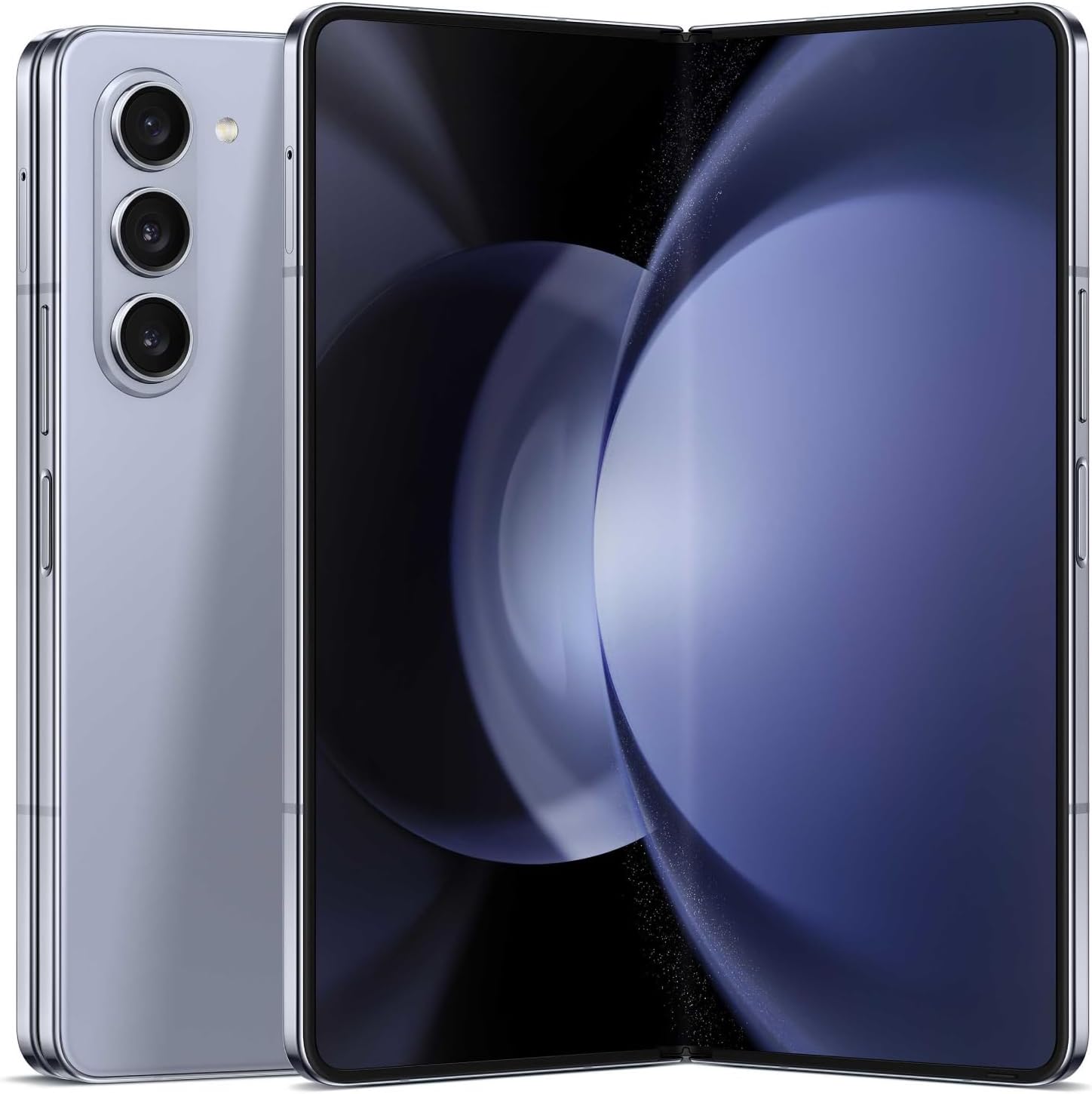
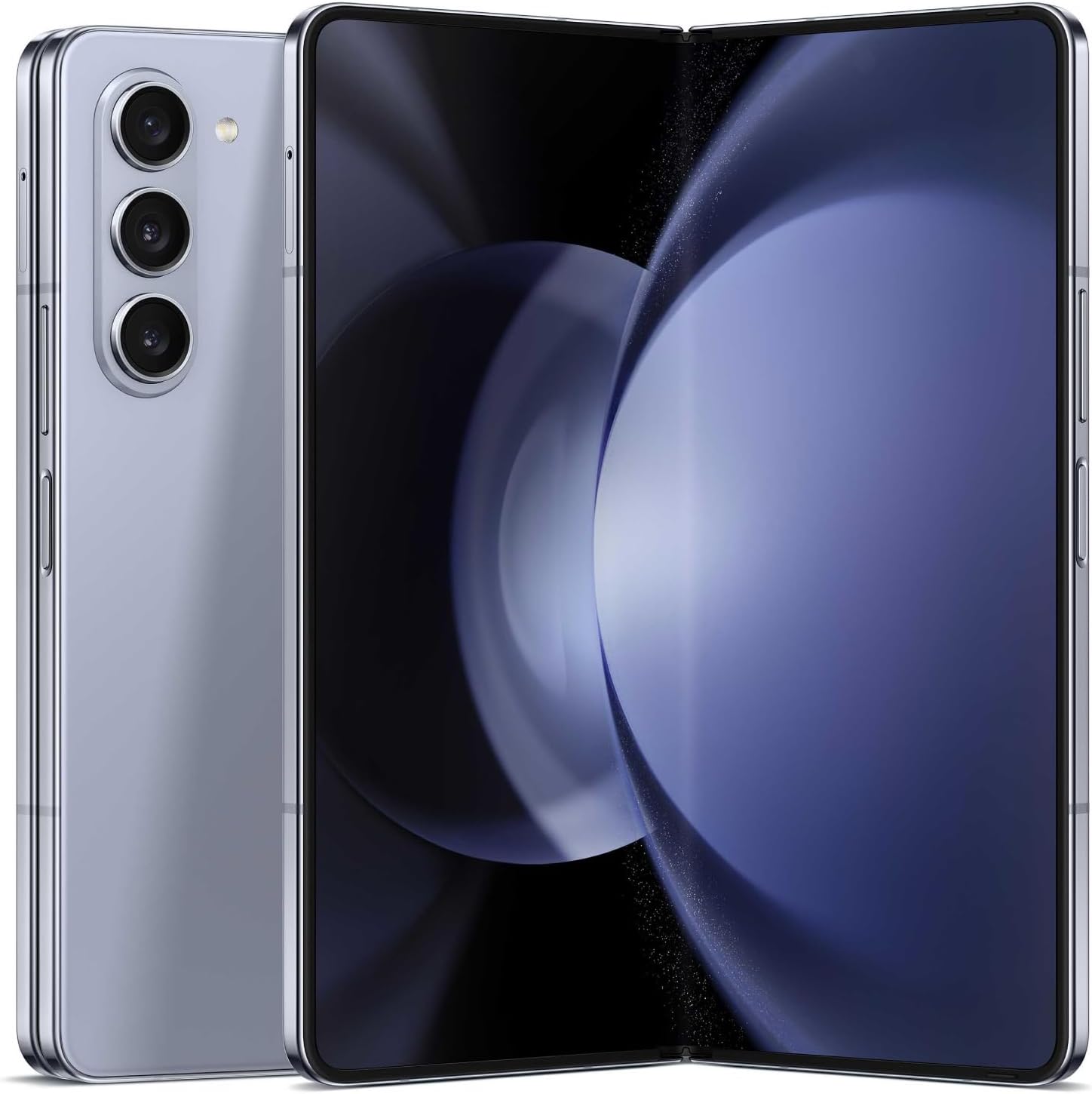
Samsung’s Galaxy Z Fold 5 looks a lot like its predecessor, but it now folds flat thanks to a new hinge with fewer moving parts. It maintains the 7.6-inch inner display and narrow 6.2-inch cover screen, but it now utilizes the same Snapdragon 8 Gen 2 processor found in Samsung’s Galaxy S23 phones.
Samsung’s flagship foldable isn’t the only show in town anymore, but it’s still the best choice for most people looking for a folding phone. Its multitasking capabilities are second to none, and it’s lighter and easier to wield than Google’s Pixel Fold. The narrow dimensions of the cover display make it a little awkward to use for regular phone stuff, but that’s a reasonable tradeoff considering everything that the Fold 5 can do.
There are some important things to consider, though, starting with the $1800 price. That’s what the Pixel Fold costs, too, but it doesn’t matter how you look at it — that’s a lot to pay for a phone. The Fold 5 isn’t dust-resistant, either, so you’ll want to be somewhat careful with your investment.
The Fold 5’s unusually long-and-narrow aspect ratio when it’s closed is a turn off for some.Photo by Allison Johnson / The Verge
The Fold 5 isn’t exactly teeming with technological improvements over last year’s model, either. There’s a new hinge that folds flat rather than with a gap between the two halves of the phone, and that’s about it. A couple of software updates that it offers will come to older Fold devices in the future, so there’s not much reason to rush out and trade in your Fold 4 for a Fold 5.
If you’re a devoted Pixel fan or averse to the Fold 5’s narrow form factor when closed, Google’s foldable might be a better choice. But for most people, the Galaxy Fold 5’s versatility and good recent track record for durability make it a better bet.
Best alternative to Google and Samsung
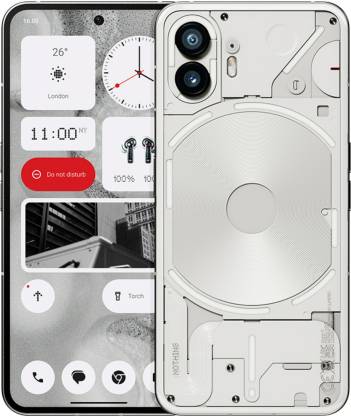
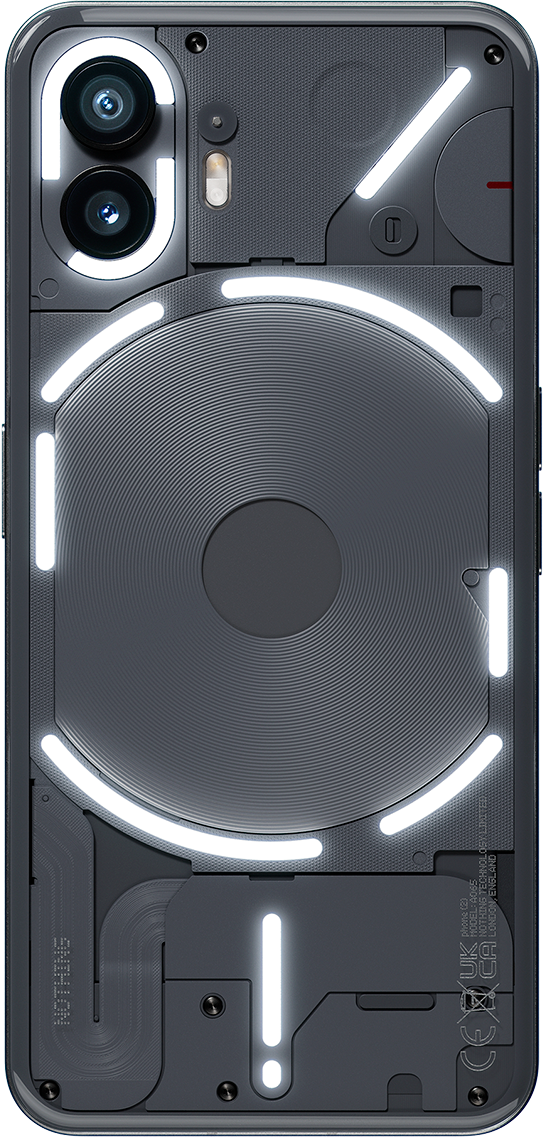
Nothing Phone 2
The Nothing Phone 2 embraces a certain retro-infused aesthetic that’s unlike anything else you’ll find on the market. It’s not certified to work on Verizon, and its rear-panel LED light strips are more stylish than functional, but it’s a good alternative to the big Android brands.
Screen: 6.7-inch 1080p 120Hz OLED / Processor: Qualcomm Snapdragon 8 Plus Gen 1 / Cameras: 50-megapixel F/1.9 main with OIS, 50-megapixel ultrawide, 32-megapixel selfie / Battery: 4,700mAh / Charging: 45W wired, 15W wireless / Weather resistance: IP54
The Nothing Phone 2 doesn’t offer the very best value proposition in its upper-midrange category. For sheer ROI, the Pixel 7 is the better pick. But if it’s style you’re after and something a little different, then the Phone 2 is an easy pick.
It offers a good 6.7-inch screen, great daily performance and battery life, and a capable camera system. But that’s the usual stuff — what’s unusual about the Phone 2 is its set of LED light strips on the back panel. They illuminate in combinations called “glyphs,” and you can set them to alert you to certain notifications. It’s neat but ultimately isn’t as helpful as the system’s customizable always-on display.
The Phone 2’s UI is on-theme.Photo by Allison Johnson / The Verge
On the downside, the Phone 2 is only splash-resistant rather than fully resistant to water submersion like virtually all other phones over $500. It’s also not fully supported on Verizon’s network, which takes it out of contention for a lot of the US population.
If neither of the above is a deal-breaker, and the Phone 2’s styling appeals to you, then it’s an excellent choice. One thing’s for sure — it definitely stands out from the crowd.
Other Android phones worth considering
There are many more great Android devices that weren’t covered here, and a few are worth calling out that didn’t quite make the cut for a recommendation.
There’s the Galaxy Z Flip 5, Samsung’s clamshell-style foldable. It’s much more useful than its predecessors, thanks to a bigger 3.4-inch cover screen that allows you to type out texts and emails on a full QWERTY keyboard. It’s not as versatile as the Fold 5, but it also costs a much more reasonable $999. Another flip phone worth considering: the Motorola Razr Plus. It’s not as durable as the Flip 5, and its cover screen widgets aren’t as useful, but it runs full apps on the outer display more easily. And it’s just plain fun, gosh dang it.
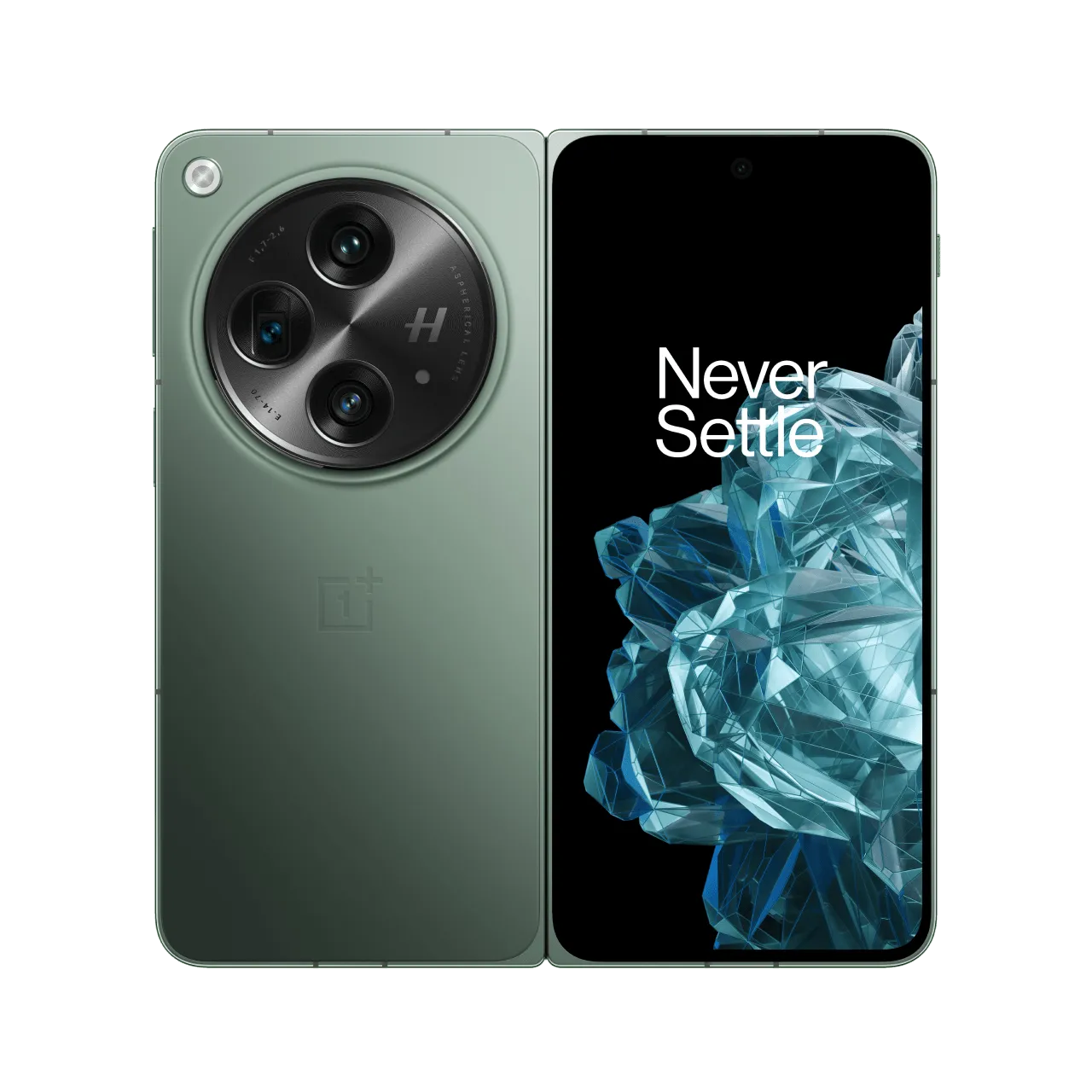
On the other side of the foldable spectrum, the OnePlus Open is a welcome addition to the mix with the best screen format on a book-style folding phone. It’s thin and light, and the software includes some thoughtful approaches to multi-tasking — a crucial part of the folding phone experience. At $1,700, it’s just $100 shy of the Pixel Fold and Galaxy Z Fold 5 and misses a couple of key features that both of those other options include: wireless charging and an IPX8 rating. But if those omissions don’t bother you and the form factor appeals, it’s a lovely device to use.
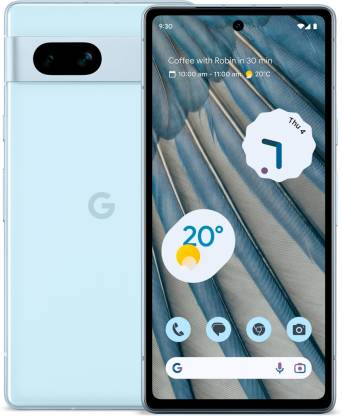
There’s one more Pixel phone to consider: the Google Pixel 7A. It’s $499 and has the same Tensor G2 processor as the Pixel 7 and 7 Pro. The 7A is definitely the best phone camera you can get for the money, and it comes with nice creature comforts not usually seen in budget devices, like wireless charging. It’s on the pricey side of the “budget” category, but it’s designed to go the distance.
Rumours about Apple’s next iPhone, the iPhone 16 series, have started surfacing ever since the iPhone 15 series was unveiled to the world. This time around, the top-end iPhone, the iPhone 15 Pro Max, gets one groundbreaking camera feature – a telephoto lens. While brands such as Samsung, Sony, and Xiaomi have had this technology for years, Apple has joined the party late by bringing it to only one device so far. However, that is set to change next year as not only the iPhone 16 Pro Max but the iPhone 16 Pro is also tipped to feature 5X zoom. Here’s all we know.
iPhone 16 Pro: Periscope lens on the way?
In a post on Medium, Apple analyst Ming-Chi Kuo reiterated that the iPhone 16 Pro next year is expected to feature the highly-rated periscope lens, also known as the tetraprism lens. It is expected to result in a 160 percent YoY growth in iPhones with this camera in 2024. To fit the bigger lens in the smaller iPhone 16 Pro, Apple is also tipped to increase the of the iPhone 16 Pro from 6.1-inch to 6.3-inch.
This corroborates a previous report by MoneyUDN which suggested that Apple will bring in special moulded glass lenses that would be fitted on the telephoto camera. This would allow the Cupertino-based tech giant to fit in larger lenses without compromising the small form factor of the iPhone 16 Pro.
Apple has reportedly contacted Lagran to be the supplier of the tetraprism lens in the iPhone 16 Pro as well, and Lagran’s improvements in the yield of the tetraprism lens assembly could mean that the company does not face any scarcity while manufacturing the device. Lagran has also reportedly already kicked off the production of the tetraprism compact camera module (CCM) to avoid any delays due to shortages or supply-chain issues.
What is Apple’s tetraprism lens?
When Apple unveiled the iPhone 15 series in September, the top-end iPhone 15 Pro Max debuted a feature that no other iPhone had before – a telephoto lens. According to Apple, the new tetraprism design of the telephoto lens combines Optical Image Stabilization with Apple’s 3D Autofocus Sensor Shift to create its most advanced stabilization system yet. While it was rumoured that both Pro models would come with this feature, only the iPhone 15 Pro Max actually features it.
HomeMate Smart 3+1 Fan Node Retrofit – 3 Channel Smart switch works in sync with your existing electrical connections and on/off switches . 1 Channel works with existing Fan regulator to change the speed of fan and on/off switch. No additional wiring required. Just fit inside your existing switchboards and enjoy it. Compatible with Alexa & Google Home Fan speed control, Scheduler Function, Timer Function, Location based Function, Turn on/ Turn off your device based on your predefined Function. Small Size – Just 5x9x2 cm in size, suitable for all size of switchboards Individual control – Each point can be controlled individually by traditional switch / HomeMate Smart App / Alexa / Google Assistant / Siri One Year Replacement Warranty
Price: ₹2,898.00 (as of Nov 21, 2023 08:15:05 UTC – Details)
Oppo is set to launch its latest Reno 11 series this week, however, ahead of that rumours about its upcoming Oppo Find X7 series smartphones are growing stronger. Oppo is set to launch its brand new models with the Find X7 which is to debut in 2024. A recent rumour about the smartphone suggests that the Oppo Find X7 Pro may feature the world’s first dual periscope telephoto cameras with impressive optical zoom. Check out what leaks have to say about the smartphone.
Oppo Find X7 Pro camera
A tipster named Digital Chat Station (via Gizmochina) has shared a post on the Chinese social media platform Weibo saying that the Oppo Find X7 Pro is expected to feature a quad-camera setup with a dual periscope telephoto lens. Leaks says it is expected to feature a 50MP LYT-900 primary camera with a 1-inch size, a 50MP IMX890 sensor with a 1/1.56-inch size which is expected to have 2.7x optical zoom, a 50MP IMX858 sensor with a 1/2.4-inch size and 6x optical zoom, along with a 50 MP ultra-wide lens.
Additionally, it is reported that the Find X7 Pro may feature a new XCD solution for improved color calibration with the iconic Hasselblad company. This upgrade is expected to enhance the image quality of a photo in comparison to its predecessor.
Oppo Find X7 series specs
The Oppo Find X7 Pro is expected to feature the new Snapdragon 8 Gen 3 chipset whereas the Oppo Find X7 may feature Dimensity 9300 SoC. It may come with 16 GB RAM and a 1 TB internal storage version. It is expected to run on Android 14 version with ColourOS 14. According to rumors, smartphones may debut in the first quarter of 2024. However, note that Oppo has not revealed any specific details about the Oppo Find X7 series in terms of specs, price, and launch date, therefore, the above specs are based on rumours and speculation.
We will have to wait till the company makes an official announcement about its plans to launch the Oppo Find X7 series.
WhatsApp is now rolling out an update to let users link their account to an email address. As a result, people can authenticate on WhatsApp using email verification instead of SMS. The feature was previously available in a beta version of WhatsApp, and now everyone can use it.
WhatsApp adding email verification
As noted by WABetaInfo, version 23.24.70 of WhatsApp for iPhone, released today on the App Store, adds the email verification feature. This option doesn’t replace SMS verification, but it works as an alternative when users are in an area without cellular coverage and need to log in to their WhatsApp account.
To add an email address to your account, tap the Your Profile tab, choose the Account menu, and tap Email Address. WhatsApp clarifies that the email address is only used to access the account and won’t be visible to other users.
One thing to keep in mind is that the email address is only used for authentication, so you still need a valid phone number to use WhatsApp. WhatsApp has been developing a new feature that will let users set a username that can be shared with others instead of a phone number, but this option is yet to be released.
More about WhatsApp
Earlier this month, WhatsApp launched its new macOS app, completely rebuilt to run natively on Mac computers. In October, the app began rolling out the option to use two WhatsApp accounts on the same device. It also added support for passkeys on Android.
Hundreds of staff at OpenAI threatened to quit the leading artificial intelligence company on Monday and join Microsoft. They would follow OpenAI co-founder Sam Altman, who said he was starting an AI subsidiary at Microsoft following his shock sacking from the company whose ChatGPT chatbot has led the rapid rise of artificial intelligence technology.
In a letter, some of OpenAI’s most senior staff members threatened to leave the company if the board did not get replaced.
“Your actions have made it obvious that you are incapable of overseeing OpenAI,” said the letter, which was first released to Wired.
Included in the list of names of signers was Ilya Sutskever, the company’s chief scientist and one of members of the four-person board that voted to oust Altman.
It also included top executive Mira Murati, who was appointed to replace Altman as CEO when he was removed on Friday, but was herself demoted over the weekend.
“Microsoft has assured us that there are positions for all OpenAI employees at this new subsidiary should we choose to join,” the letter said.
Reports said as many as 500 of OpenAI’s 770 employees signed the letter.
OpenAI has appointed Emmett Shear, a former chief executive of Amazon’s streaming platform Twitch, as its new CEO despite pressure from Microsoft and other major investors to reinstate Altman.
The startup’s board sacked Altman on Friday, with US media citing concerns that he was underestimating the dangers of its tech and leading the company away from its stated mission — claims his successor has denied.
Microsoft CEO Satya Nadella wrote on X that Altman “will be joining Microsoft to lead a new advanced AI research team,” along with OpenAI co-founder Greg Brockman and other colleagues.
Altman shot to fame with the launch of ChatGPT last year, which ignited a race to advance AI research and development, as well as billions being invested in the sector.
His sacking triggered several other high-profile departures from the company, as well as a reported push by investors to bring him back.
“We are going to build something new & it will be incredible. The mission continues,” Brockman said, tagging former director of research Jakub Pachocki, AI risk evaluation head Aleksander Madry, and longtime researcher Szymon Sidor.
But OpenAI stood by its decision in a memo sent to employees on Sunday night, saying “Sam’s behavior and lack of transparency… undermined the board’s ability to effectively supervise the company,” The New York Times reported.
‘Badly’ handled sacking
Shear confirmed his appointment as OpenAI’s interim CEO in a post on X on Monday, while also denying reports that Altman had been fired over safety concerns regarding the use of AI technology.
“Today I got a call inviting me to consider a once-in-a-lifetime opportunity: to become the interim CEO of @OpenAI. After consulting with my family and reflecting on it for just a few hours, I accepted,” he wrote.
“Before I took the job, I checked on the reasoning behind the change. The board did not remove Sam over any specific disagreement on safety, their reasoning was completely different from that.”
“It’s clear that the process and communications around Sam’s removal has been handled very badly, which has seriously damaged our trust,” Shear added.
Global tech titan Microsoft has invested more than $10 billion in OpenAI and has rolled out the AI pioneer’s tech in its own products.
Microsoft’s Nadella added in his post that “we look forward to getting to know Emmett Shear and OAI’s new leadership team and working with them.”
“We remain committed to our partnership with OpenAI and have confidence in our product roadmap,” he said.
OpenAI is in fierce competition with others including Google and Meta, as well as start-ups like Anthropic and Stability AI, to develop its own AI models.
Generative AI platforms such as ChatGPT are trained on vast amounts of data to enable them to answer questions, even complex ones, in human-like language.
They are also used to generate and manipulate imagery.
But the tech has triggered warnings about the dangers of its misuse — from blackmailing people with “deepfake” images to the manipulation of images and harmful disinformation.
Read full letter and list below:
To the Board of Directors at OpenAI,
OpenAl is the world’s leading Al company. We, the employees of OpenAl, have developed the best models and pushed the field to new frontiers. Our work on Al safety and governance shapes global norms. The products we built are used by millions of people around the world. Until now, the company we work for and cherish has never been in a stronger position.
The process through which you terminated Sam Altman and removed Greg Brockman from the board has jeopardized all of this work and undermined our mission and company. Your conduct has made it clear you did not have the competence to oversee OpenAl.
When we all unexpectedly learned of your decision, the leadership team of OpenAl acted swiftly to stabilize the company. They carefully listened to your concerns and tried to cooperate with you on all grounds. Despite many requests for specific facts for your allegations, you have never provided any written evidence. They also increasingly realized you were not capable of carrying out your duties, and were negotiating in bad faith.
The leadership team suggested that the most stabilizing path forward – the one that would best serve our mission, company, stakeholders, employees and the public – would be for you to resign and put in place a qualified board that could lead the company forward in stability.
Leadership worked with you around the clock to find a mutually agreeable outcome. Yet within two days of your initial decision, you again replaced interim CEO Mira Murati against the best interests of the company. You also informed the leadership team that allowing the company to be destroyed “would be consistent with the mission.”
Your actions have made it obvious that you are incapable of overseeing OpenAl. We are unable to work for or with people that lack competence, judgement and care for our mission and employees. We, the undersigned, may choose to resign from OpenAl and join the newly announced Microsoft subsidiary run by Sam Altman and Greg Brockman. Microsoft has assured us that there are positions for all OpenAl employees at this new subsidiary should we choose to join. We will take this step imminently, unless all current board members resign, and the board appoints two new lead independent directors, such as Bret Taylor and Will Hurd, and reinstates Sam Altman and Greg Brockman.
Customized Colors: 16 Million Colors To Choose, 3 Color Selection Modes (Selected, Dynamic & Customized). Dynamic Effects & Sound Activated: Color Changes Along With Music. Straight Edge For Seamless Connection And No Dark Area On The Surface Diy Your Light: These Creative Hexagon Shaped Wall Decor Light Blocks Can Be Spliced Together To Various Shapes As Your Ideas. Connect Them Together To Make Gorgeous & Amazing Effects And Create Romantic & Joyful Atmosphere Easy To Install: Comes With A Base To Hold These Block Lights Stably. You Can Also Attach Them On Your Wall With Stickers On The Back Of Lights. Then Plug The Included Usb Power Cable Into A 5V/2A Adapter. Each Side Can Be Sliced Easily With Your Creative Ideas Smart Control: Simply Download The App To Change Color, Auto On/Off And More Functions For You To Explore. Support Android And Ios Smartphones. Also Works Directly With Amazon Alexa And Google Home To Manage Your Devices Through Voice Control Wide Application: An Amazing And Impressing Light Decor For Various Scenes, Such As Home, Party, Bedroom, Ceiling, Wall, Hall, Commercial Building, Restaurant, Bar, Cafe, Pub, Concert, Workshop, Hotel, Corridor, Studio, Stairwell, Etc
Price: ₹6,999.00 (as of Nov 20, 2023 08:14:35 UTC – Details)
After turning the AI market upside down by ousting Sam Altman from OpenAI, reports suggest that the board may actually do a U-turn and reinstate him. The company’s position is under threat as of now. Reports are also surfacing that the company’s board might resign. Amid the rumors of his return, Altman was seen visiting Opena AI’s San Francisco headquarters for talks on November 19.
Altman at OpenAI headquarters
The ex-CEO of OpenAI posted a photo of himself on the X platform holding a guest ID pass at OpenAI headquarters in San Francisco. Altman wrote in the post, “First and last time i ever wear one of these”. Notably, Sam Altman was one of the initial members who helped set up OpenAI. He soon became the face of the company who helped create ChatGPT. He is an influential figure in the world of generative AI. Since the day of its launch, this AI chatbot has been the talk of the town. People from all over the world have been using it.
According to a report by The Information, Altman and Greg Brockman, the company’s ex-president, were invited to the San Francisco Headquarters by interim CEO Mira Murati. The report suggests that they were invited for talks. This visit has fueled the rumors of Sam Altman rejoining the company.
Some other reports also suggest that Altman can possibly start a new AI venture.
If this happens, the current state of OpenAI will be shattered. Shares of the company have already been in suffering since Altman was sacked. According to a report by Bloomberg, hundreds of millions of dollars of OpenAI shares on the secondary market are stuck after Altman left the company. Some of the transactions of the company are on hold and some of them were cancelled.
Altman’s ousting has created huge ripples in the AI world. Microsoft CEO, Satya Nadella has come out in support of Altman and he will be with him in the next steps he will take, as suggested by a Bloomberg report. Notably, Microsoft has been backing up OpenAI since the day it was launched. If Altman returns to the company, the business will still be affected as the huge drift between the company’s founders has cost OpenAI and will continue to do so.


:format(webp)/cdn.vox-cdn.com/uploads/chorus_asset/file/24994618/DSC05651_alt.JPG "The best Android phone to buy in 2023 3")
:format(webp)/cdn.vox-cdn.com/uploads/chorus_asset/file/24453460/DSC04420_processed.jpg "The best Android phone to buy in 2023 5")
:format(webp)/cdn.vox-cdn.com/uploads/chorus_asset/file/24431318/DSC04309.jpg "The best Android phone to buy in 2023 7")
:format(webp)/cdn.vox-cdn.com/uploads/chorus_asset/file/24840077/DSC05301_processed_alt.JPG "The best Android phone to buy in 2023 9")
:format(webp)/cdn.vox-cdn.com/uploads/chorus_asset/file/24785448/DSC04957_processed.JPG "The best Android phone to buy in 2023 11")