

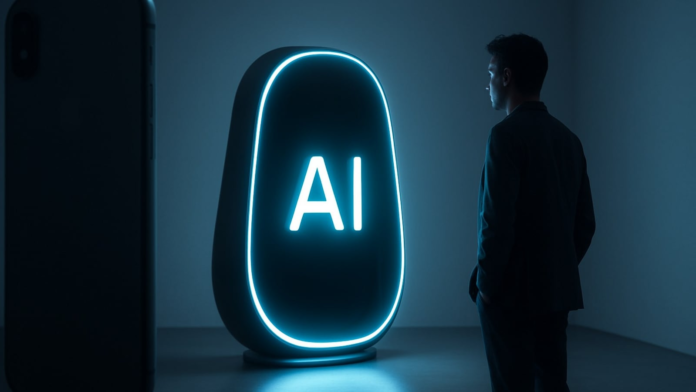
Sam Altman, CEO of OpenAI, believes the way forward for synthetic intelligence is determined by converting the gadgets we use on a daily basis. Speaking with Nikhil Kamath, the entrepreneur and co-founder of Zerodha, at the People by way of WTF podcast, Altman defined why laptops and smartphones, as we all know them, restrict what next-generation AI can succeed in. Instead, he envisions a long run formed by way of new varieties of {hardware} which can be designed from the bottom up for immersive, proactive AI partners.
Why lately’s {hardware} is not sufficient
Altman argues that AI’s development is held again by way of the on-off, binary nature of our present gadgets. Phones and computer systems lately are designed for passive use. You succeed in in your telephone when wanted, give a command, and put it away. This mode of use is essentially at odds with Altman’s imaginative and prescient for AI – a significant other this is at all times with you, conscious about the context of your day, and ready to step in to provide lend a hand or reminders exactly when you want them.
During the dialog, Altman stated, “You truly need AI to have as a lot context as conceivable, do stuff for you, and be proactive.” He defined {that a} telephone or laptop is best helpful when it’s on your pocket or your hand, however the AI long run he imagines will require a presence along you, in a position to behave, notify, or reinforce at significant moments. The friction of switching gadgets off and on, and the flat, screen-based manner we recently have interaction with generation, way we’re some distance from the science fiction dream of an AI significant other that listens, learns, and acts on our behalf all over the day.
Recognising those barriers, OpenAI is already making an investment closely within the pursuit of next-generation gadgets. The corporate’s partnership with Jony Ive, former leader clothier at Apple, marks a transparent turning level. Altman brazenly hinted that the {hardware} now being advanced at OpenAI with Ive will feel and appear utterly other from lately’s tech. He guarantees one thing so neatly designed that customers “would possibly not want a case,” suggesting an consideration to each shape and serve as that would set a brand new same old for shopper electronics.
Reports counsel OpenAI and Ive have already spent two years exploring new ideas, from headphones to good digicam gadgets, all searching for to redefine how we have interaction with clever programs. Following OpenAI’s $6.5 billion acquisition of Ive’s startup, io, expectancies are prime that the end result will probably be as disruptive as the primary iPhone. Yet Altman additionally warns that for those long run gadgets to be in point of fact helpful, customers will want to grant them a deep degree of consider. This way letting AI get admission to and set up more than a few portions of your existence, permitting the software to make choices and be offering lend a hand in your behalf. This way new questions on privateness and keep an eye on as AI steps into an much more non-public function.
Source: tech.hindustantimes.com