
Garmin unshackled the Venu 4 so as to add larger personalised training, coaching load knowledge, and GPS accuracy, whilst nonetheless designing it to be extra available, trendy, and health-focused than your conventional Garmin watch. It’s heavier and costlier than previous Venus, and does not have each and every Venu X1 perk, but it surely nonetheless arguably has the most efficient price of any Garmin watch.
Pros
- Better dual-band GPS and SatIQ
- 2–4 extra days of battery existence
- ECG readings
- Better accessibility gear
- New multisport Fitness Coach
Cons
- No integrated maps or Fenix-level coaching gear
- A bit of heavier in spite of smaller show
- No Sapphire crystal
- Pricier than the Venu 3
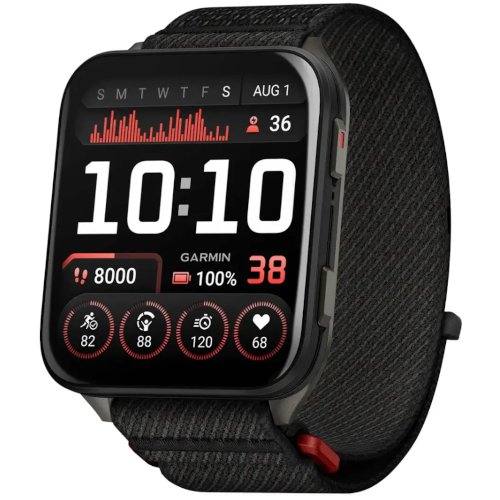
The Garmin Venu X1 is not just about as well-rounded because the Venu 4, prioritizing a big, vivid show and ultra-thin design on the expense of battery existence — and costing considerably extra. It’s additionally essentially the most comfy Garmin watch we now have ever worn, however you wish to have extra justification to shop for it; double-check that you wish to have explicit, unique perks like offline maps prior to you pay further.
Pros
- More comfy to put on
- Larger, better-protected show
- More complicated operating, biking, and golfing gear
- Full map suite as a substitute of breadcrumb navigation
Cons
- Costs considerably extra
- No dual-band GPS or ECG readings
- Shorter battery existence
- No multisport Fitness Coach (but)
The Garmin Venu 4 prices $250 lower than the Garmin Venu X1 however nonetheless has a number of {hardware} upgrades and instrument exclusives. Features like Health Status and Sleep Alignment will have to come to the Venu X1 inside of a few months, however the Venu 4 will nonetheless have the threshold for GPS accuracy and battery existence.
The Venu X1 has its personal benefits, on the other hand! You get an identical instrument perks to the pricier Fenix 8, maximum particularly offline maps for mountaineering and golfing, the place the Venu 4 falls brief. The Venu 4 may be somewhat much less comfy to put on, and whilst you’ll be able to offset the burden hole with a nylon strap or the smaller 41mm fashion, you might be nonetheless getting a way smaller show in alternate for a cheaper price and a extra conventional watch glance.
We’ve already damaged down the Garmin Venu 4 vs. Venu 3 generational gap; now, let’s compare the Garmin Venu 4 vs. Venu X1 to help you decide which exclusive features you’ll truly care about.
| Category | Garmin Venu 4 | Garmin Venu X1 |
|---|---|---|
| Case colors |
Slate, Silver, Lunar Gold (41mm only) |
Black with Slate Titanium, Moss with Titanium |
|
Materials |
Stainless steel and fiber-reinforced polymer case, steel bezel |
Fiber-reinforced polymer with titanium caseback, no bezel |
|
Strap |
22mm or 18mm silicone Quick Release strap |
24mm Nylon ComfortFit Quick Release strap |
|
Protection |
5ATM, Gorilla Glass 3 |
5 ATM, sapphire crystal |
|
Dimensions |
45 x 45 x 12.5mm, 56g w/ strap 41 x 41 x 12mm, 46g w/ strap |
41 x 46 x 7.9mm, 40g with nylon strap |
|
Buttons |
2 |
2 |
|
Display |
1.2-inch (390×390) or 1.4-inch (454×454) AMOLED touchscreen, 2,000 nits |
2-inch (448 x 486) AMOLED touchscreen, 2,000 nits |
|
Tracking |
GPS, GLONASS, Galileo, BeiDou, QZSS, SatIQ, All-Systems GNSS + Multi-Band |
GPS, GLONASS, GALILEO, BeiDou, QZSS, All-Systems GNSS |
|
Sensors |
Elevate v5 HRM, SpO2, accelerometer, altimeter, compass, ECG, gyroscope, skin temperature |
Elevate v5 HRM, SpO2, accelerometer, altimeter, compass, gyroscope, skin temperature |
|
Connectivity |
Bluetooth, ANT+, Wi-Fi, NFC |
Bluetooth, ANT+, Wi-Fi, NFC |
|
Storage |
✔️ 8GB (Music) |
✔️ 32GB (Maps, music) |
|
Mic & speaker |
✔️ (Calling, Phone commands, Watch commands) |
✔️ (Calling, Phone commands, Watch commands) |
|
Flashlight |
✔️ |
✔️ |
|
Battery life |
45mm: 12 days (4 w/ AOD), 20 GPS hours, 19 All-Systems GNSS hours, 18 multi-band GPS hours, 9 hours All-Systems GNSS w/ music 41mm: 10 days (3 w/ AOD), 15 GPS hours, 13 All-Systems GNSS hours, 12 multi-band GPS hours, 6 hours All-Systems GNSS w/ music |
8 days; 2 w/ AOD, 16 GPS hours, 14 All-systems GNSS hours, 7 hours All-Systems GNSS w/ music |
Contents
Garmin Venu 4 vs. Venu X1: What’s the same?
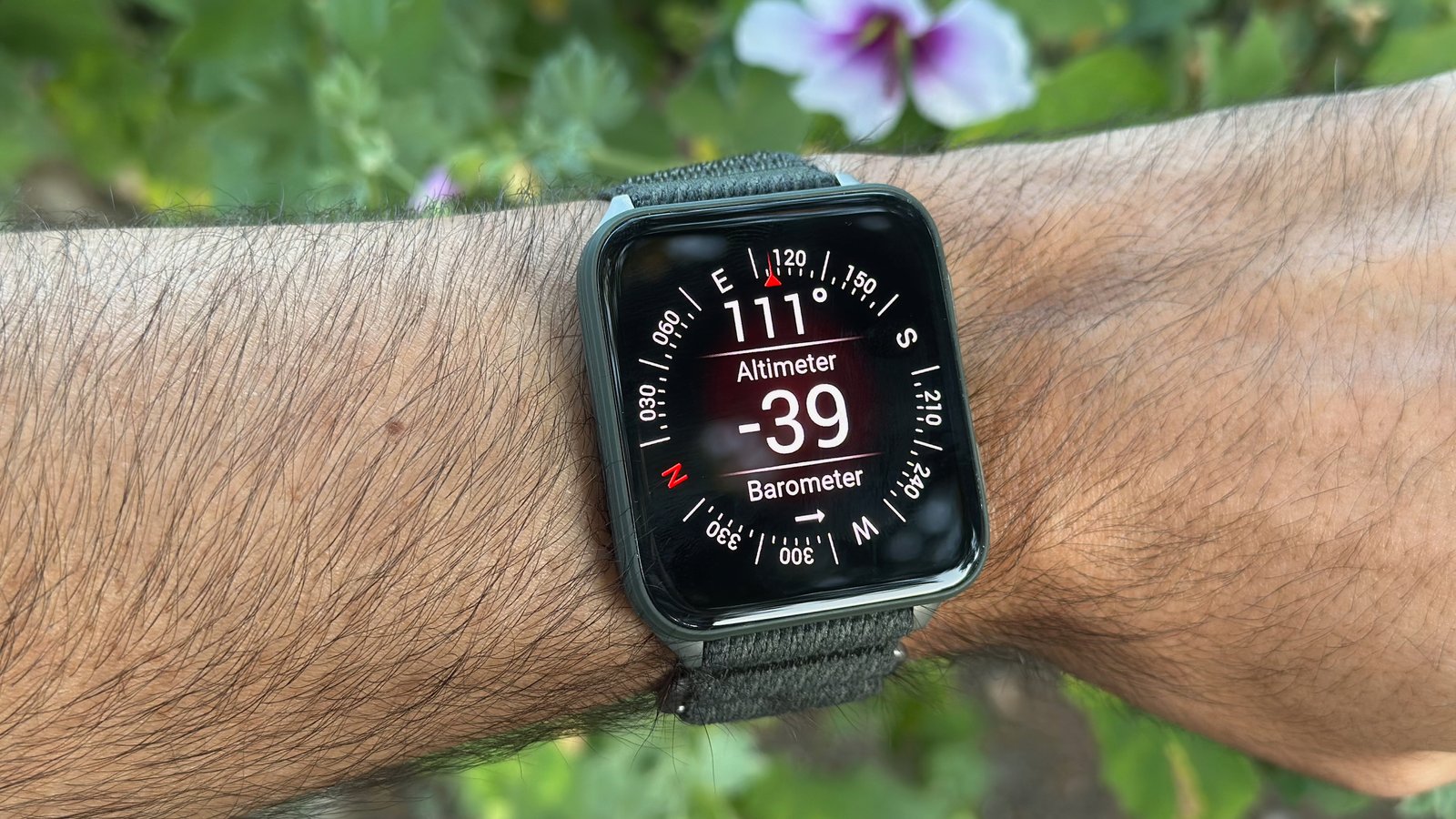
They both utilize the fifth-generation Elevate sensor suite, which has remained unchanged since 2023. The Garmin Venu X1 performed very well in our accuracy tests, and the Venu 4 should follow suit. They also share most of the same sensors for navigation (compass), elevation tracking (altimeter), wrist movement (gyroscope), and health (skin temp), plus the same connectivity standards for Bluetooth/ANT+ accessories.
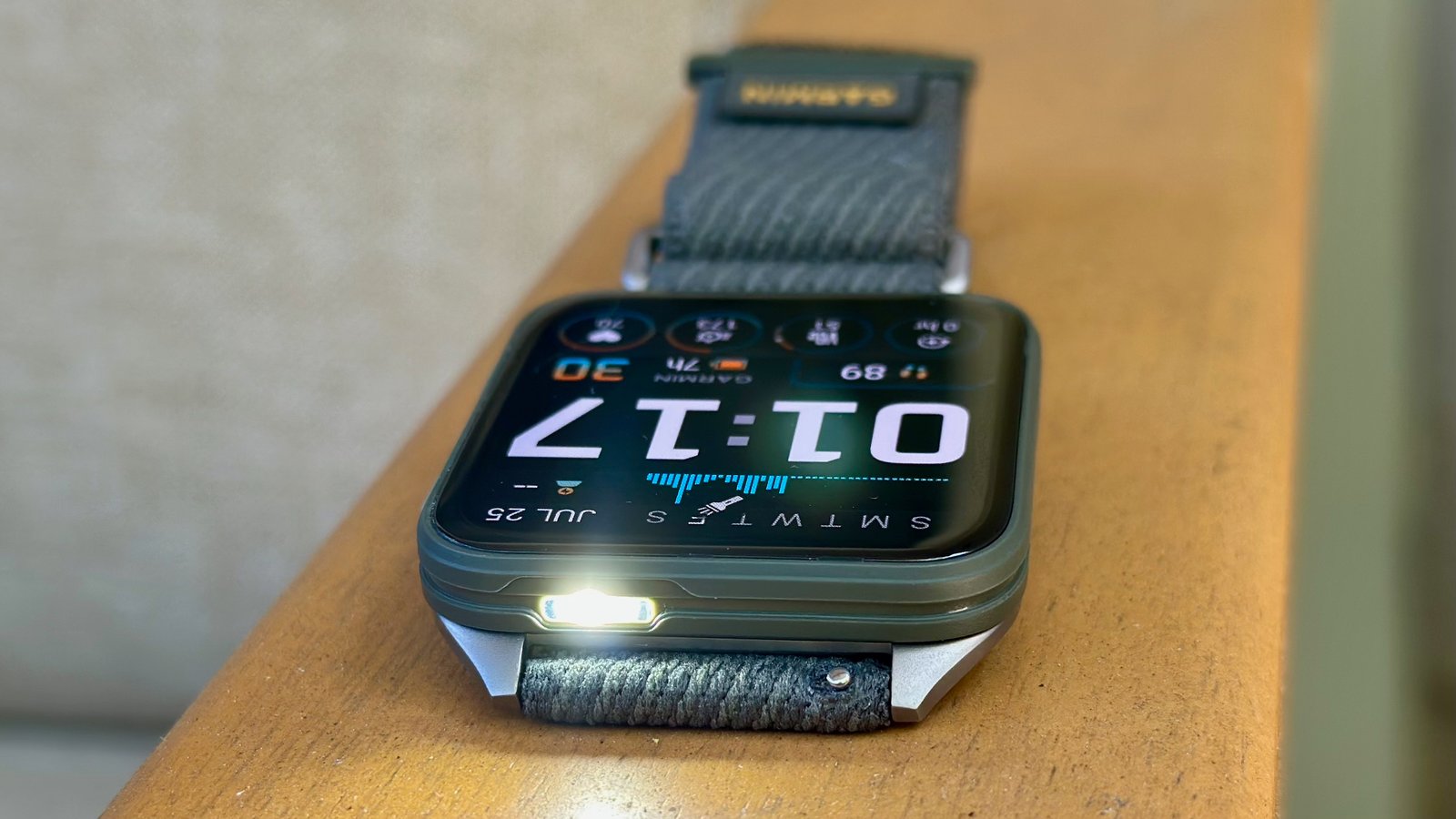
Garmin gave the Venu X1 and Venu 4 a mic and speaker for voice commands and Bluetooth calling, built-in white and red LEDs with four intensity levels and strobe effects, and the same modern Garmin OS UI found on its 2025 watches.
While their two displays couldn’t look more different, they do both hit 2,000 nits of brightness, twice as bright as most Garmin AMOLED displays before 2025. Their pixels per inch are also comparable: 324 on the Venu 4 and 330 on the Venu X1.
The Venu 4 software suite is quite similar to the Forerunner 570’s, while the Venu X1 is comparable to the Forerunner 970. We’ll focus more on the software differences below, but the Venu 4 and X1 share most of the same sport profiles and hundreds of core Garmin features across running, hiking, cycling, swimming, indoor workouts, training load, and sleep/recovery tracking — far too many to list here.
Garmin Venu 4 vs. Venu X1: Design & display
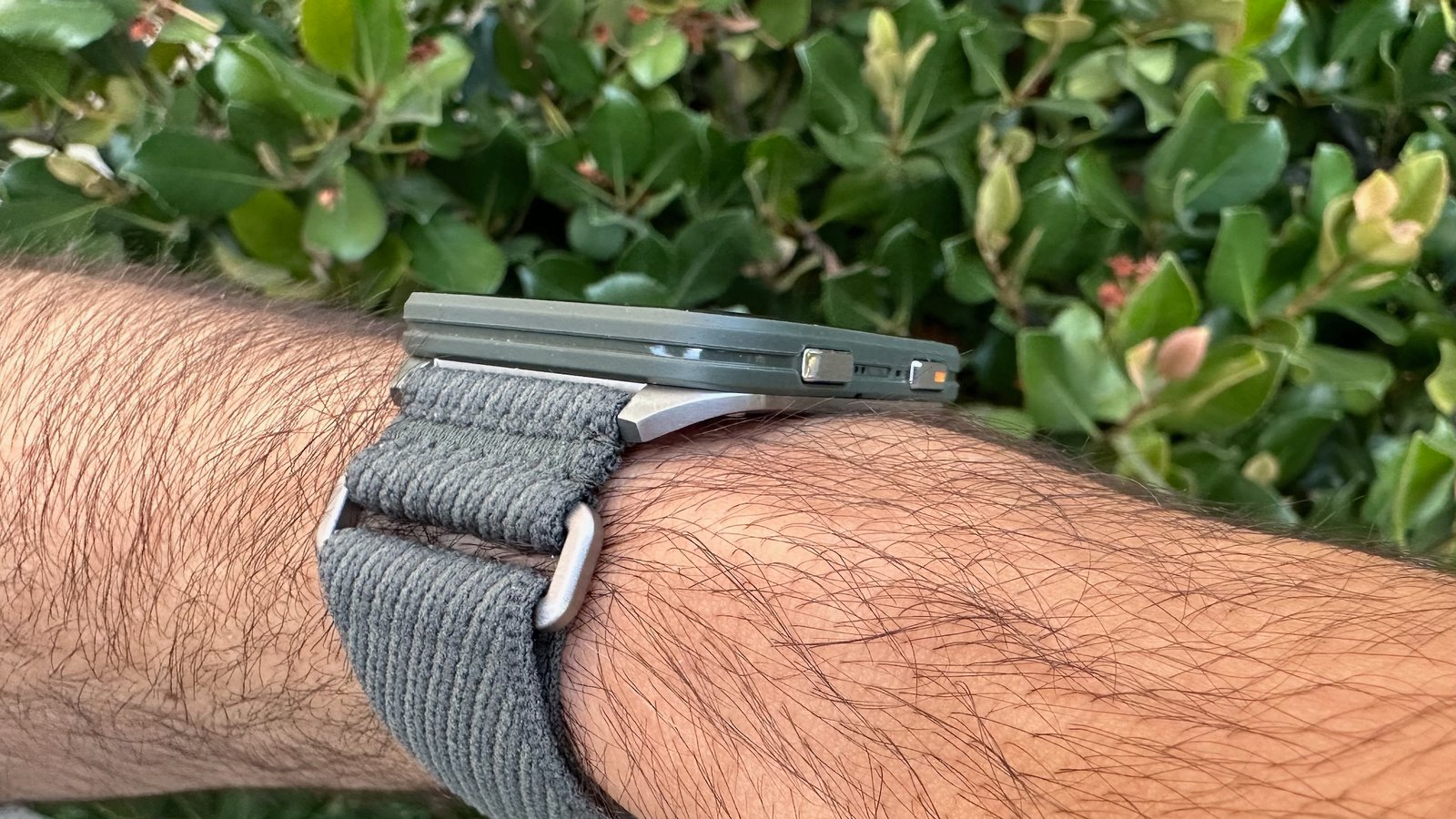
The Garmin Venu 4 comes in two sizes to accommodate different wrist sizes, but one of the main Venu X1 upsides is that it’s so light (40g) and skinny (7.9mm) that it’ll work on any wrist without compromise; it’s supremely comfortable, especially for hours-long activities.
The 1.2-inch Venu 4 41mm is only a little heavier than the X1, but with obvious display shrinkage. The 45mm model is closer, and you can buy a nylon strap to try to close the weight gap a bit.
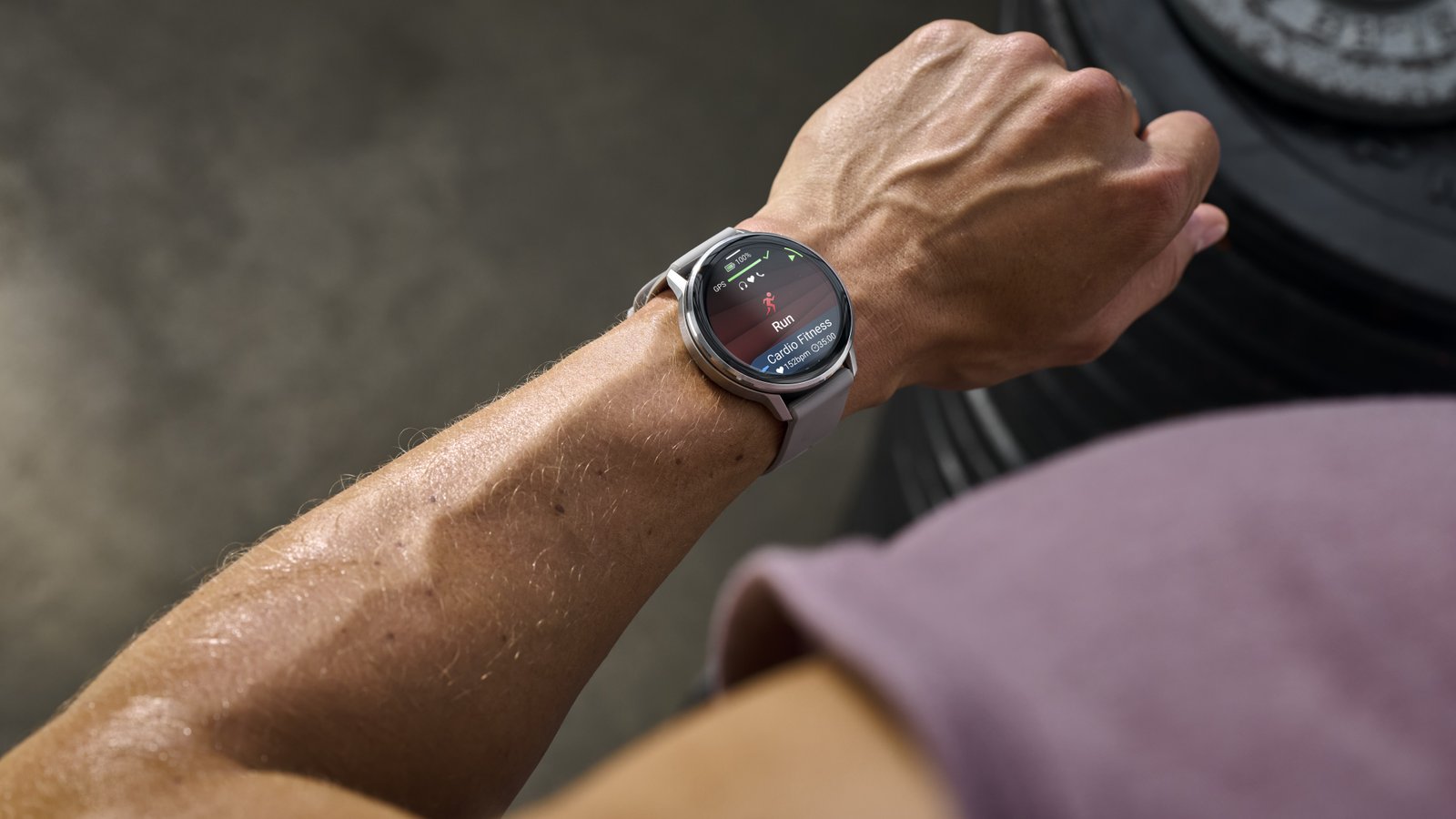
One thing that makes the Venu 4 heavier is the stainless steel built into both the bezel and the case, giving it a classy look. The Venu 4 45mm is slightly thicker than its predecessor at 12.5mm, and looks bulky compared to the Venu X1, but it’s skinnier than most other Garmin watches. It’s all relative, in other words.
The Venu X1 has a titanium caseback and buttons that add some shine, but the body itself is mostly made of polymer, keeping it light. Its skinniness and textured lines around its edge make the Venu X1 look less “cheap” and sportier than thicker, polymer-case Garmin watches, however.
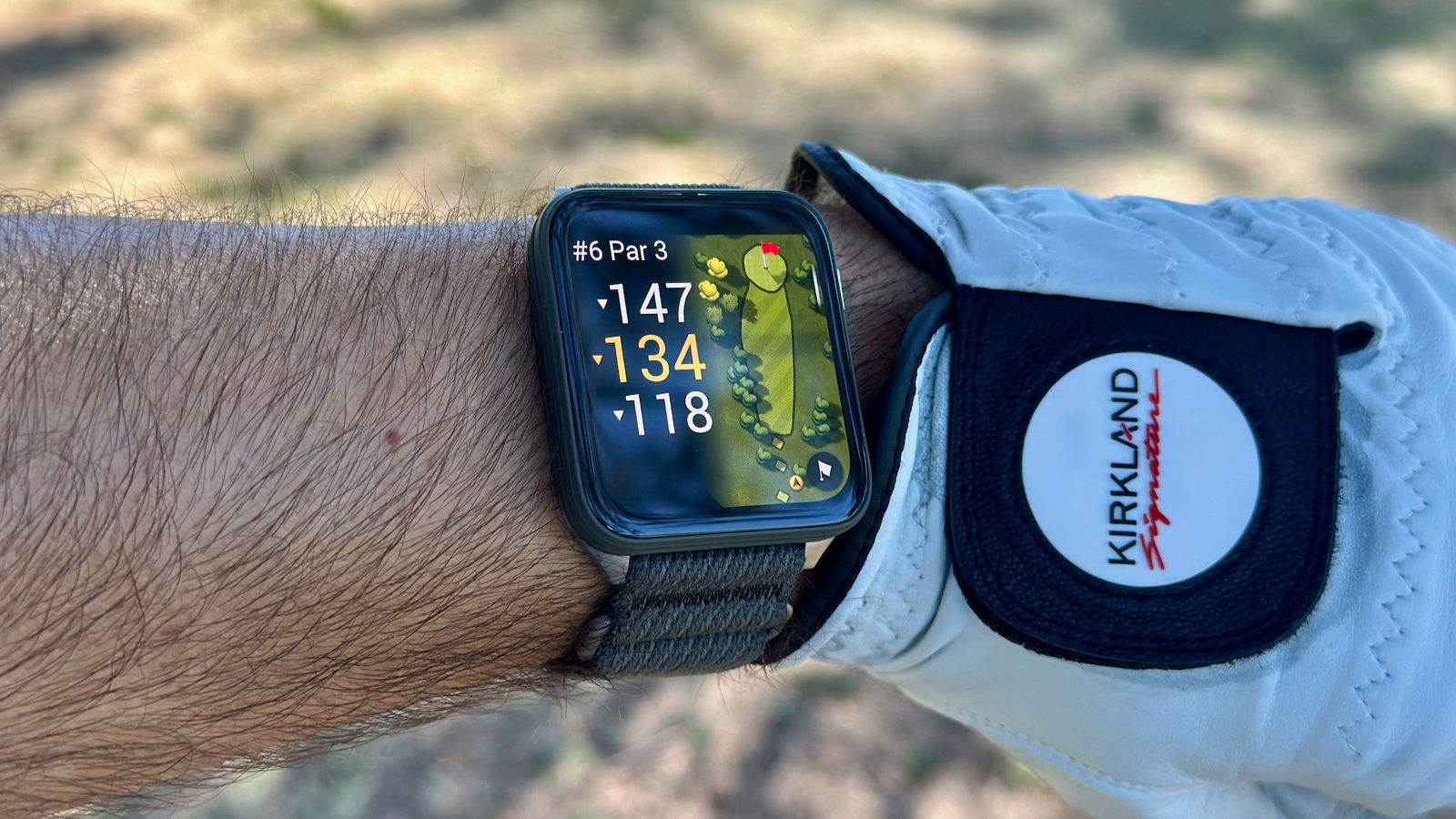
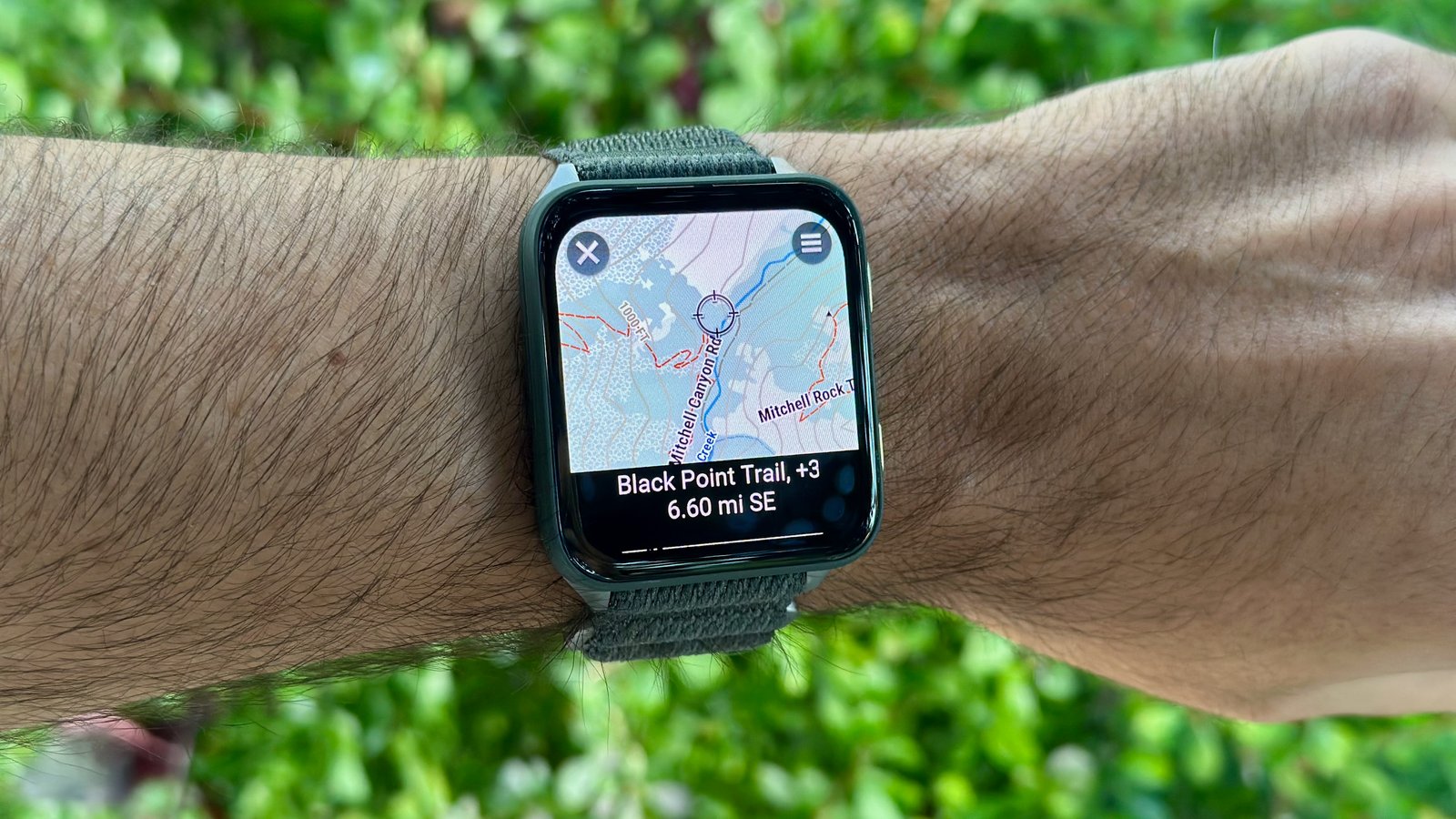
It’s the 2-inch display that’s the real Venu X1 standout. It may not have the Venu 4’s accessibility features, but the display leaves room to expand widgets and increase text size, so it’s cumulatively much more readable. Maps, in particular, look fantastic on the X1, making it fun to use while on the golf course and hiking.
The other X1 advantage is that it uses sapphire glass for the best scratch protection, while the Venu 4 sticks to Gorilla Glass 3. It’s a telltale example of Garmin preventing its “mid-range” watches from getting the best features, even though almost any other $500+ watch has sapphire glass or its equivalent.
Garmin Venu 4 vs. Venu X1: Hardware, sensors, & battery life
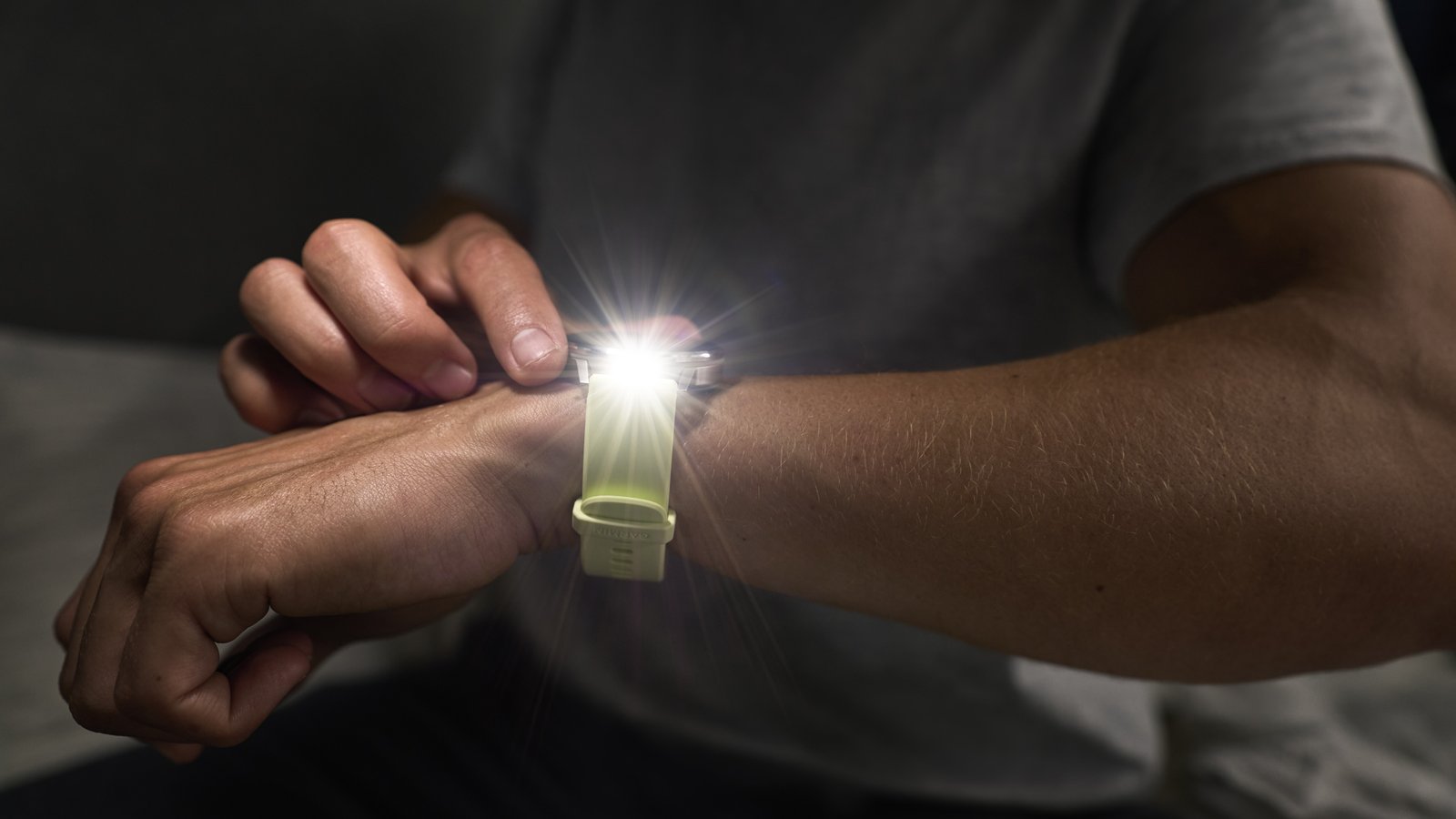
Garmin doesn’t advertise processors, but the Venu 4 and X1 have comparable speed in our testing. Likewise, the mic, speakers, flashlight, connectivity standards, and sensors are mostly the same, along with the same five global navigation satellite systems (GNSS).
The first difference is that the Venu 4 offers the same dual-band (L1 + L5 signal) GPS as other top Garmin watches, as well as SatIQ mode, which defaults to GPS-only to save lots of battery however switches to raised device(s) if the sign is disrupted. The Venu X1 could also be the one Garmin watch this dear to persist with All-Systems GNSS, most probably because of restricted house and battery existence; it nonetheless does somewhat effectively for accuracy, however the Venu 4 is a greater are compatible in case you continuously figure out in city canyons or mountain wooded area areas.
Next, the Venu 4 gives ECGs to locate atrial traumatic inflammation problems, whilst the Venu X1 does now not. Again, this has to do with the X1’s distinctive design, as Garmin’s ECG resolution depends on a steel ring and a button design that it was once too skinny (and sq.) to house. Keep in thoughts that no Garmin watches have passive abnormal middle rhythm detection; you need to actively test.
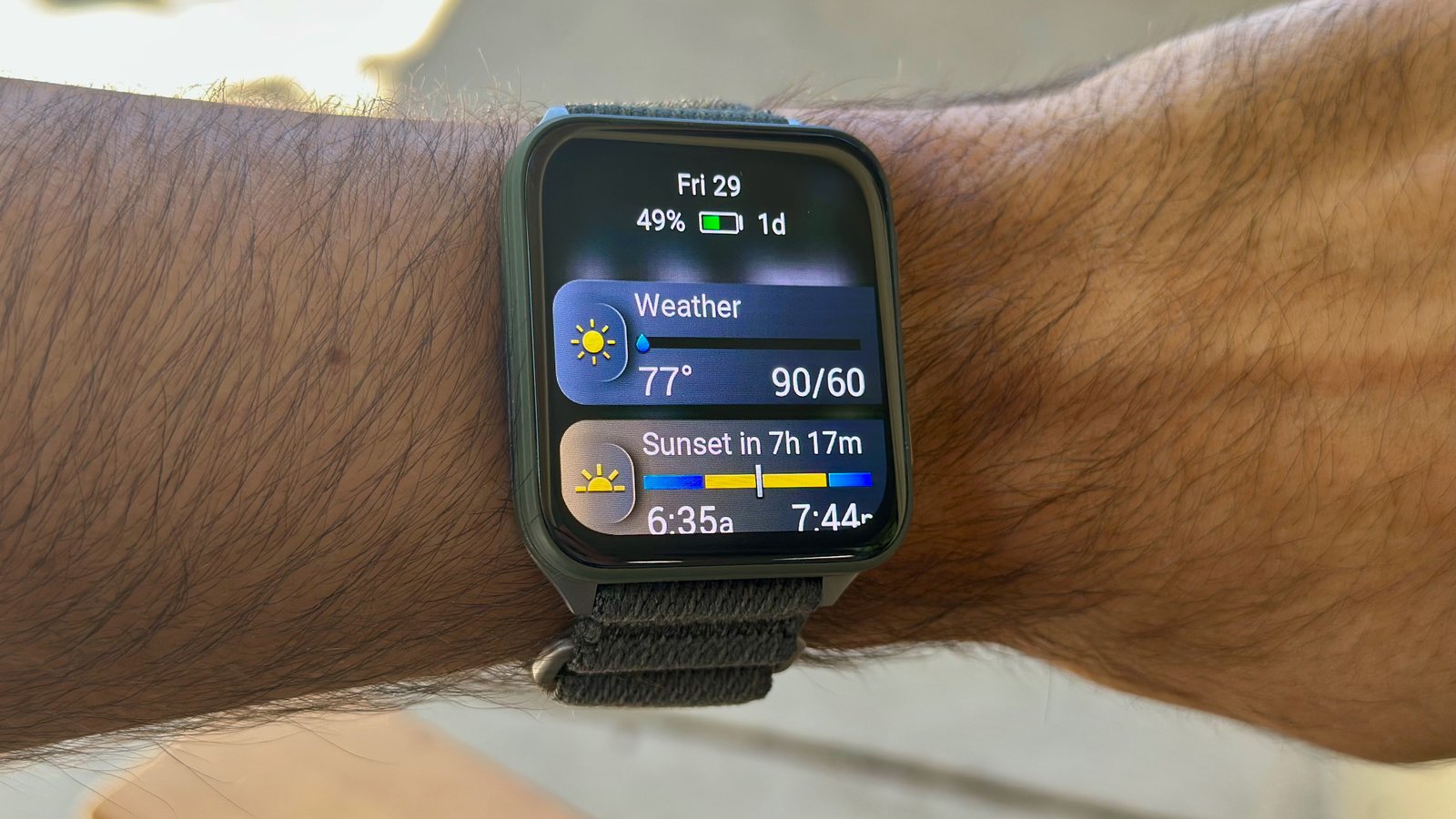
The 3rd key distinction, after all, is battery existence. Depending on whether or not you select the Venu 4 41mm or 45mm, it will closing 2 or 4 days longer than the Venu X1, or 1 or 2 days extra with AOD. In phrases of workout routines, the 45mm Venu 4 is rated to closing 4 hours longer in All-Systems mode, whilst the 41mm Venu is rated for one hour much less.
The hole is not as huge as it would were, because the Venu 3 lasts longer than the Venu 4; the two,000-nit show spice up cuts into its capability. Still, although the Venu 4 is not as long-lived because the Instinct 3 or Fenix 8, it is nearer to the Garmin same old you might be used to.
Garmin Venu 4 vs. Venu X1: Software and contours
|
Category |
Garmin Venu 4 |
Garmin Venu X1 |
|---|---|---|
|
Health & Wellness |
Body Battery, All-day rigidity, Sleep Coach, Nap Detection, Sleep alignment, Sleep consistency, Smart Wake alarm, Breathing diversifications, Health Snapshot, Health Status, Lifestyle logging |
Body Battery, All-day rigidity, Sleep Coach, Nap Detection, Smart Wake alarm, Breathing diversifications, Health Snapshot |
|
Accessibility |
Wheelchair mode, colour filters, spoken watch face |
None |
|
Workouts |
Premade: Cardio, HIIT, Multisport, Pilates, Strength, Wheelchair, Yoga Personalized: Daily advised workout routines for operating, biking, strolling, and health |
Premade: Cardio, HIIT, Multisport, Pilates, Strength, Yoga Personalized: Daily advised workout routines for operating and biking |
|
Coaching |
Garmin Running Coach, Cycling Coach, Strength Coach, Fitness Coach |
Garmin Running Coach, Cycling Coach, Strength Coach, Triathlon Coach |
|
Training |
Intensity mins, HRV Status, VO2 Max, exercise get advantages, restoration time, coaching standing, coaching load focal point / ratio, coaching impact, coaching readiness, warmth/ altitude acclimation |
Intensity mins, HRV Status, VO2 Max, exercise get advantages, restoration time, coaching standing, coaching load focal point / ratio, coaching impact, coaching readiness, warmth/ altitude acclimation, real-time stamina, Hill/ Endurance ratings, Garmin/ Strava Live Segments |
|
Running |
Running dynamics, operating energy, efficiency situation, grade-adjusted tempo, lactate threshold, Pacepro, race predictor |
Running dynamics, operating energy, efficiency situation, grade-adjusted tempo, lactate threshold, Pacepro, race predictor, operating tolerance, operating financial system |
|
Courses |
Back to start out, TracBack, downloadable lessons, breadcrumb navigation, Up Ahead |
Back to start out, TracBack, downloadable lessons, breadcrumb navigation, Up Ahead, preloaded street and path maps, GPS coordinates, NextForokay, ClimbPro, Sight ‘N Go |
|
Golfing |
Yardage, virtual scorecard, Autoshot, inexperienced view, hazards |
Yardage, virtual scorecard, Autoshot, inexperienced view, hazards, 43,000 predownloaded lessons, customized goals, playslike distance with wind pace |
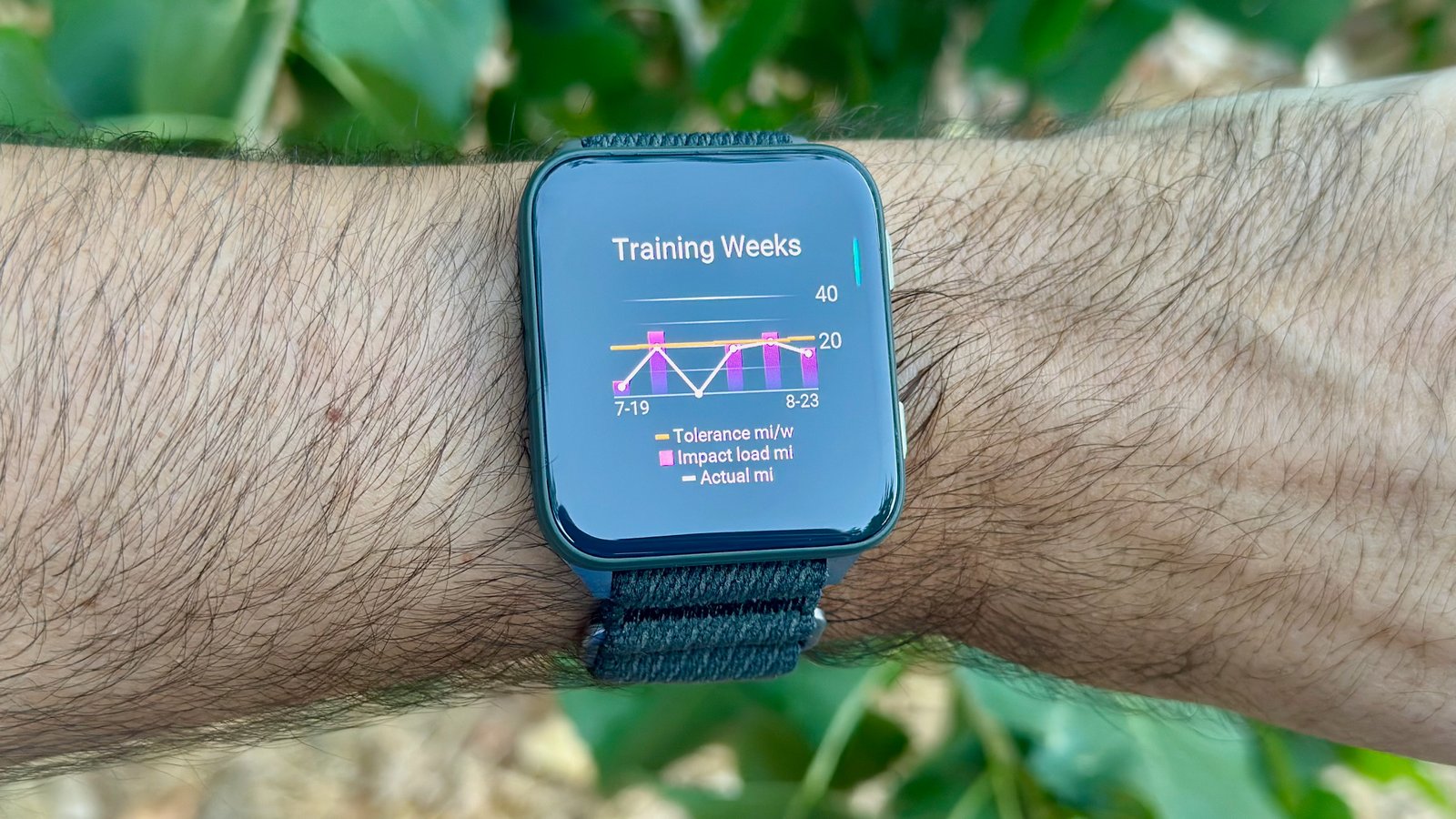
Garmin categorizes the Venu X1 along the Fenix 8 and different flagship fashions, which means it will obtain common updates — just like the August 2025 update with running tolerance — with the best new features for the next year or two. We mention this because it’s fair to assume the Venu 4’s exclusive software will eventually come to the Venu X1.
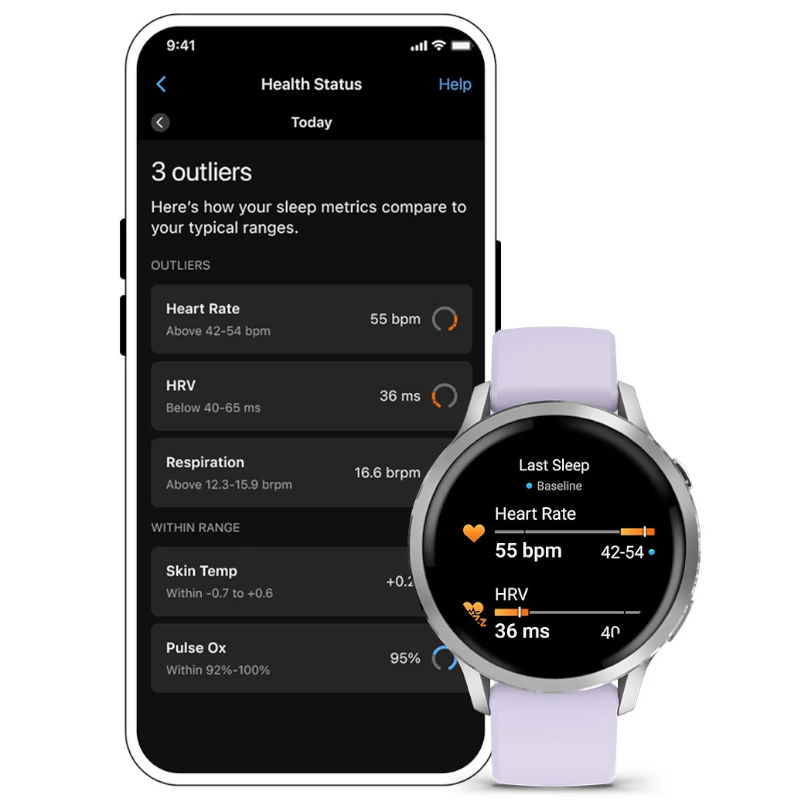
For now, the Venu 4 offers unique health tools such as Health Status, which establishes a baseline of your resting HR, HRV, SpO2, skin temperature, and other stats in order to detect any outliers and warn you of worrying health signs or the effects of overtraining.
The Venu 4 also added Lifestyle Logging to log specific moments in your day so that Garmin can associate changes in your physiology with your lifestyle. And for sleep tracking, the Venu 4 will judge your “sleep consistency” after seven days of tracking and judge how your sleep habits match with your circadian rhythm.
With the Venu X1, the biggest difference is getting access to maps, where the Venu 4 is stuck with downloadable courses and breadcrumb navigation.
The Venu 4 has most core Garmin features, but the Venu X1 goes the extra mile. For runners, it’ll judge the biomechanical load of overtraining on your muscles, plus show your real-time stamina during long runs; for cyclists, you get advanced cycling dynamics and MTB Grit & Flow; for swimmers, you get Pool Swim workouts and Pacing alerts; and for golfers, course maps and better interactivity to place custom hole targets and gauge wind conditions.
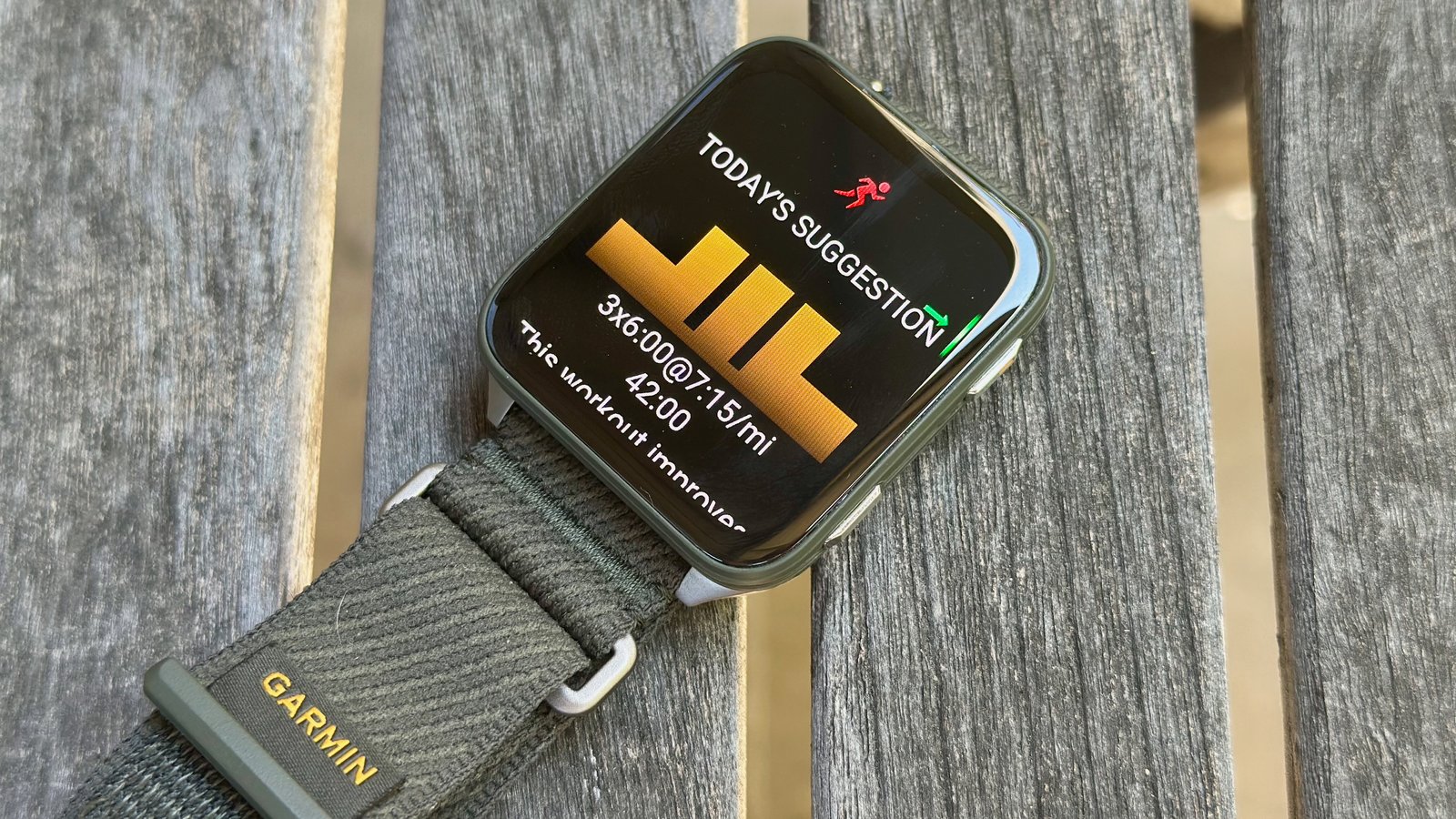
The final key difference between these watches comes down to workouts and coaching. Both watches offer daily suggested workouts for running and cycling, but the Venu 4’s workouts are only “heart rate-based,” while the X1 workouts suggest both “pace and heart rate” for more specificity.
The Venu 4 also offers walking recommendations, similar to the Vivoactive 6, as well as general “fitness” recommendations across a wider range of outdoor and indoor activities, including HIIT and yoga.
If you prefer a more structured workout plan, both watches offer Garmin Run Coach, Cycling Coach, and Strength Coach. But (so far) only the Venu 4 offers a Fitness coach with multisport plans targeting more indoor athletes, while the Venu X1 has a Triathlon Coach for specialized outdoor athletes.
Garmin Venu 4 vs. Venu X1: Which should you buy?

The Garmin Venu 4 represents a fusion between Venu and Forerunner software packed into an understated and stylish design. It’s a great option for traditional Garmin fans who dislike the button-heavy look of a Forerunner but still want a circular watch. For those types, the square, Apple-esque X1 with “only” a week of battery might not fit their wants.
The Garmin Venu X1 isn’t really competing with the Venu 4 as much as the Fenix 8, or rival flagships like the Apple Watch Ultra 3 and Galaxy Watch Ultra, which are much bulkier. It’s an unconventional design for Garmin, but you might be surprised how much you’ll love how light it is and how it makes the dense Garmin UI easier to read, both during and after workouts.
Neither watch is especially affordable, but the Venu 4 is still the better all-around pick if you don’t need maps, while the Venu X1 is the ritzy pick for someone willing to pay extra for niche perks and fantastic comfort.
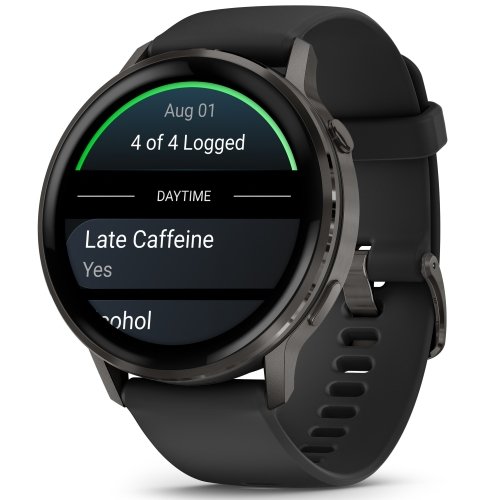
Garmin’s best mid-ranger
Choose the Garmin Venu 4 for a well-rounded software experience with Forerunner tools restricted from the Venu 3, with new perks like a flashlight and Fitness Coach mixed in with old favorites like ECGs and a mic & speaker. Skip it if you need offline maps or prefer a larger display.
Choose the Garmin Venu X1 if you want the best possible display and comfort, with familiar Fenix 8 training tools and maps for a price that’s much closer to the old Fenix 7. Skip it if you can’t afford its high cost, need the best GPS accuracy, or are accustomed to weeks of battery life.
Source: www.androidcentral.com