
Do you favor bigger digicam sensors or extra megapixels?
253 votes
Contents
One-inch cameras had been the longer term — till they weren’t
Aamir Siddiqui / Android Authority
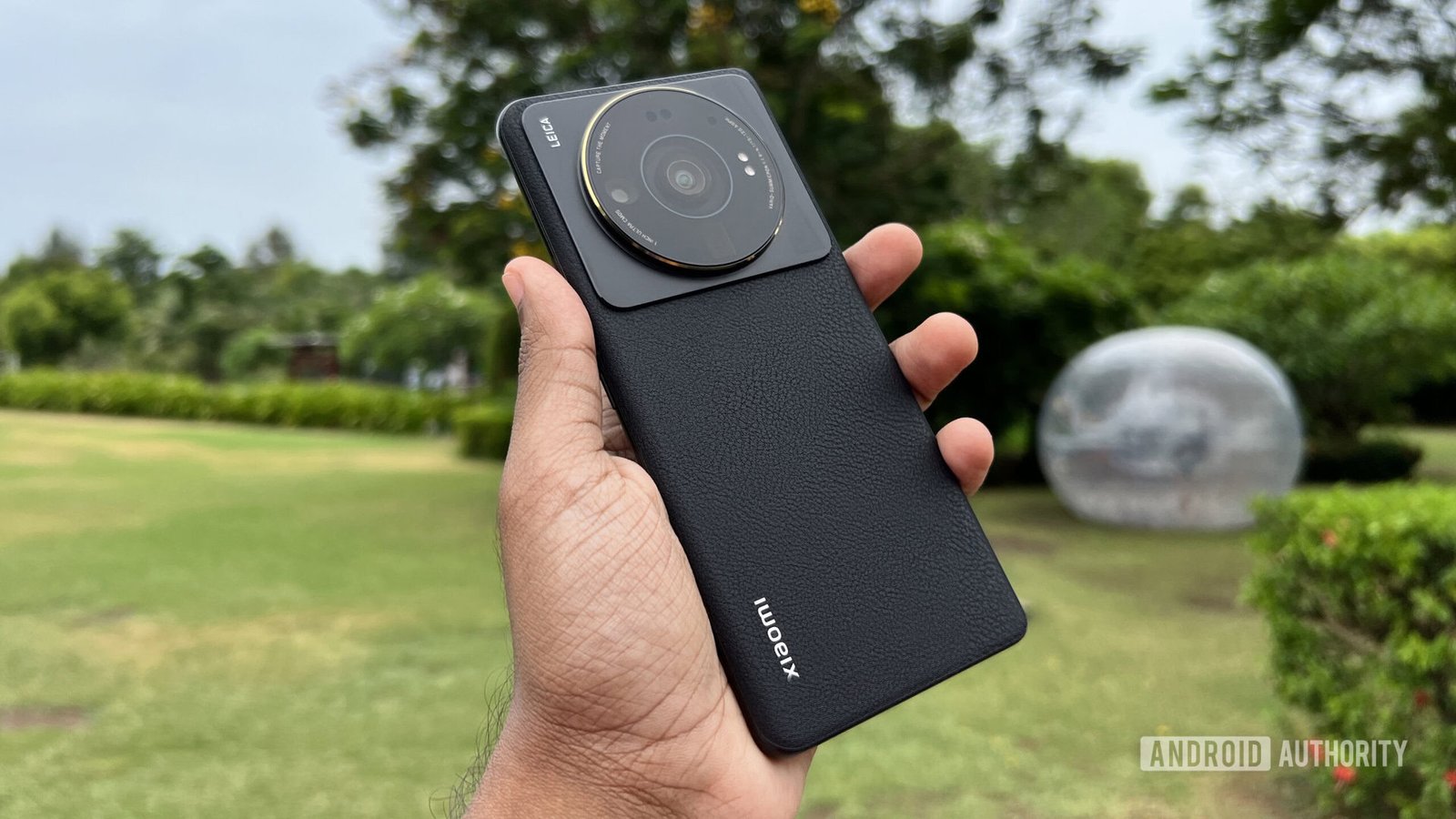
One-inch 50MP digicam sensors debuted at the Xiaomi 12s Ultra again in 2022, and it in reality felt like this was once the following giant factor. In truth, Xiaomi, vivo, OPPO, and HUAWEI wasted little time bringing this tech to their top-end telephones.
Fast-forward to 2026, regardless that, and it sort of feels like smartphone makers aren’t so loopy about this era. Vivo presented a one-inch 50MP primary digicam at the X90 Pro and X100 Pro, however skipped it on next releases. The Xiaomi 13 Pro additionally used this sensor, however next Pro handsets, such because the Xiaomi 17 Pro Max, don’t come with it.


I additionally anticipated the likes of Samsung, Google, Apple, and Sony to enroll in the one-inch sensor teach, however this hasn’t came about thus far. That’s disappointing, as those huge sensors be offering more than one advantages over smaller cameras.
One notable perk is a shallower depth-of-field impact with out resorting to tool trickery. This leads to pictures with extra delightful and correct bokeh. These huge sensors additionally boast spectacular light-gathering, leading to brighter, cleaner photographs with advanced dynamic vary. This additionally reduces movement blur, because the shutter doesn’t have to stick open as lengthy, permitting you to freeze topics even in blended lighting fixtures. Phones just like the Xiaomi 14 Ultra and vivo X100 Pro additionally make excellent use of those sensors, turning in spectacular low-light snaps, whilst the latter even gives a hand-held astrophotography mode.
Why huge digicam sensors have stalled out
Robert Triggs / Android Authority
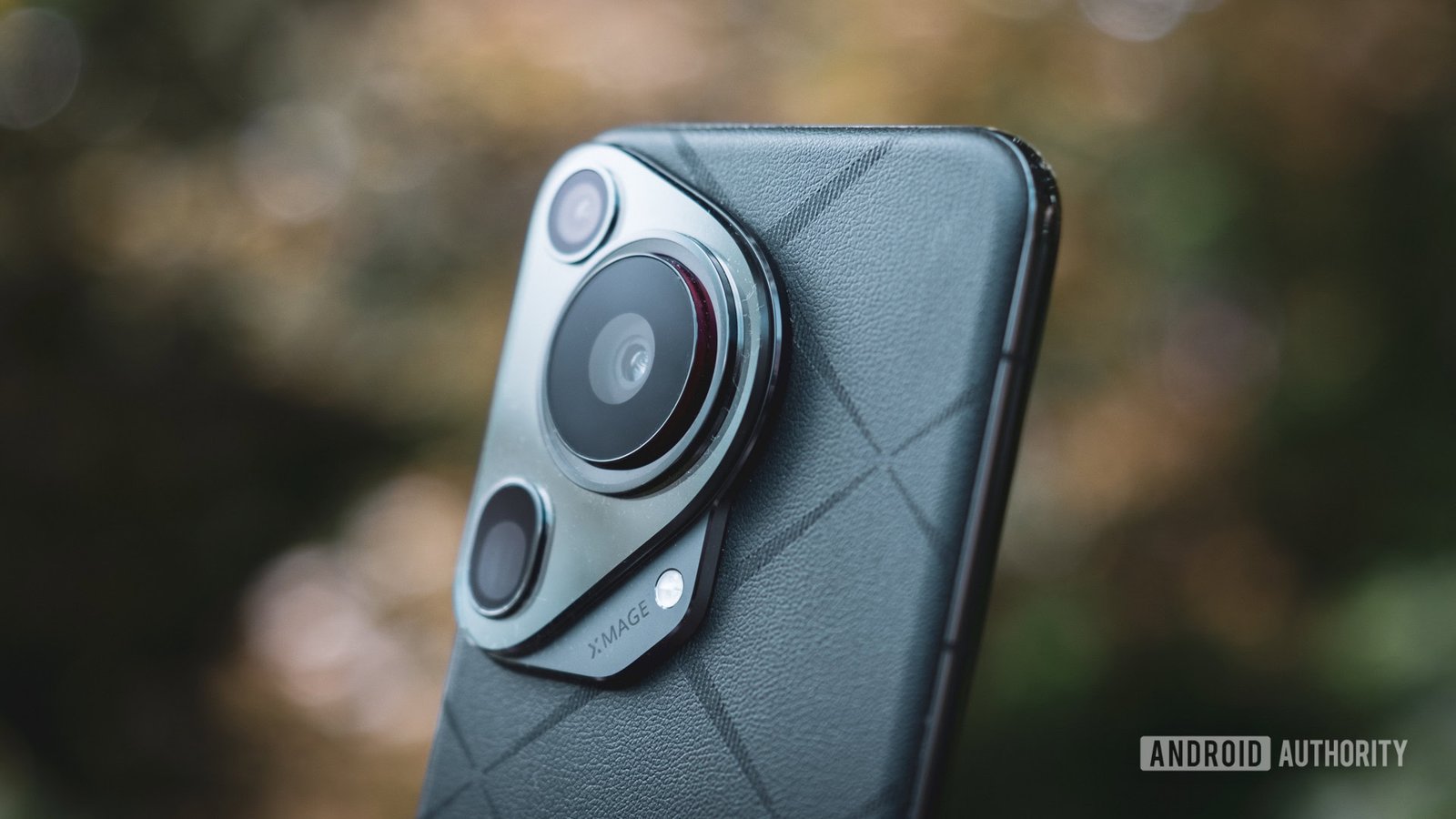
Perhaps the most important reason we haven’t observed wider adoption of one-inch cameras is house constraints. These sensors absorb numerous house throughout the telephone, forcing producers to put in force large digicam bumps. Needless to mention, those massive housings are ugly and can lead to a much less ergonomic software. I do know I every so often combat to put my index finger when the use of a telephone with an Oreo-sized digicam bump. These huge housings too can motive a telephone to wobble considerably when used on a flat floor.
It additionally doesn’t assist that Apple and Samsung went in some other route altogether by way of providing ultra-thin smartphones in 2025. These gadgets are so skinny that cramming more than one rear cameras into the body is a problem, let by myself a one-inch digicam sensor or a telephoto lens. Thankfully, shoppers have in large part disregarded skinny gadgets just like the Galaxy S25 Edge because of the compromised cameras, shorter battery lifestyles, and excessive value tags.
From the rising significance of secondary cameras to house constraints, there are a couple of conceivable the reason why one-inch sensors have not really taken off.
Another factor with one-inch cameras is that the sensor will have to be further from the lens for optimum focusing and symbol high quality. In truth, HUAWEI’s Pura 70 Ultra (observed above) includes a retractable number one digicam lens to extend the space between the lens and sensor. HUAWEI and Xiaomi have additionally paired one-inch cameras with a variable aperture to fight focusing and depth-of-field problems related to those huge sensors. But retractable lenses and variable apertures additionally build up {hardware} complexity and force up prices.
Speaking of prices, I believe that businesses like Apple and Samsung haven’t followed one-inch cameras as a result of those parts would scale back benefit margins. Instead, Samsung specifically sticks with the similar primary digicam sensors for more than one years.
Hadlee Simons / Android Authority
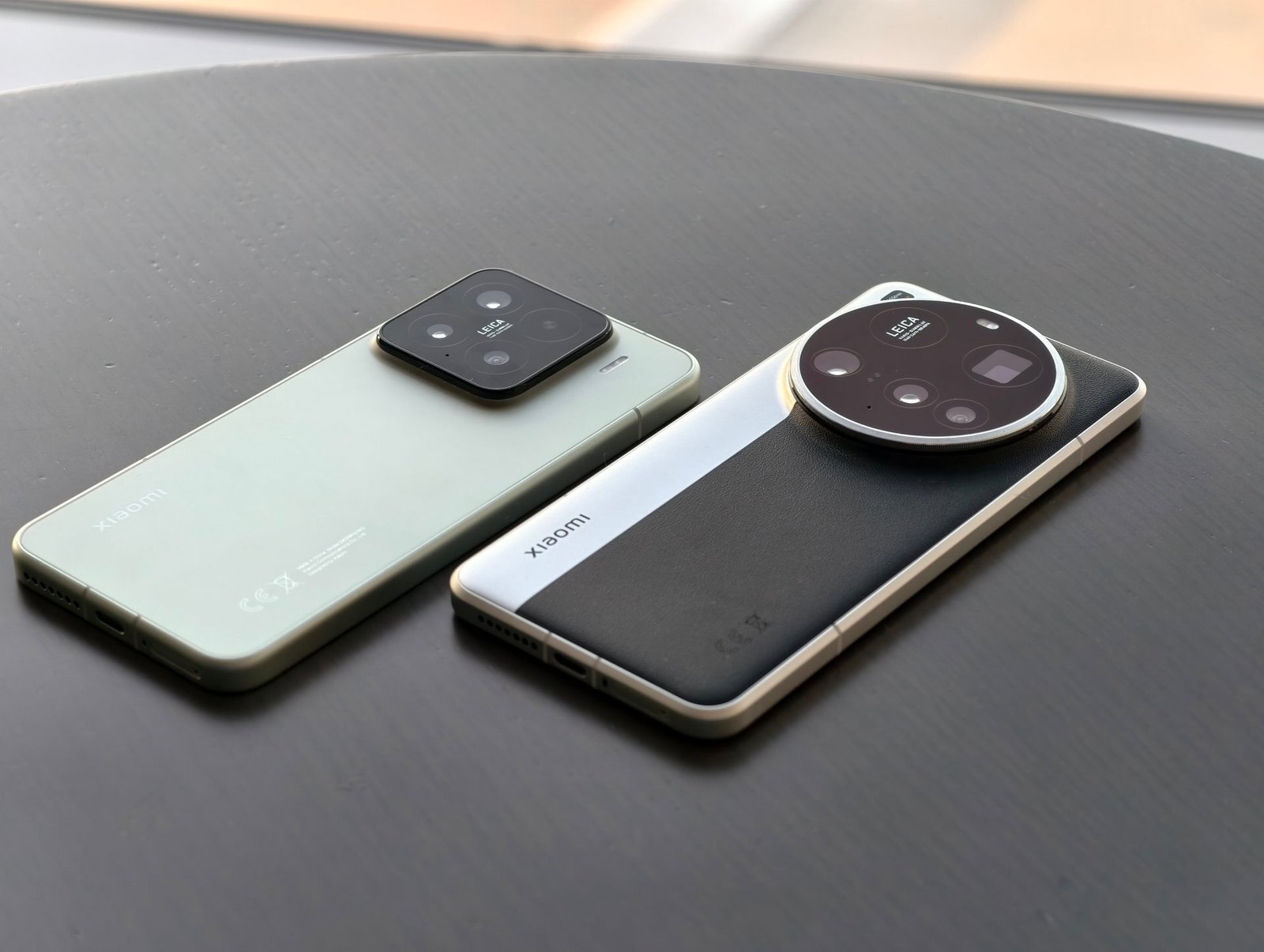
Another attainable reason massive primary sensors haven’t won traction is that telephoto cameras have change into an increasing number of vital — I do know that is my favourite digicam on a number of flagships in this day and age. These zoom-focused modules absorb vital house, in particular as producers be offering an increasing number of bigger telephoto sensors and extra complicated periscope designs. It subsequently is smart to quite scale back the principle digicam’s dimension to allow higher zoom.
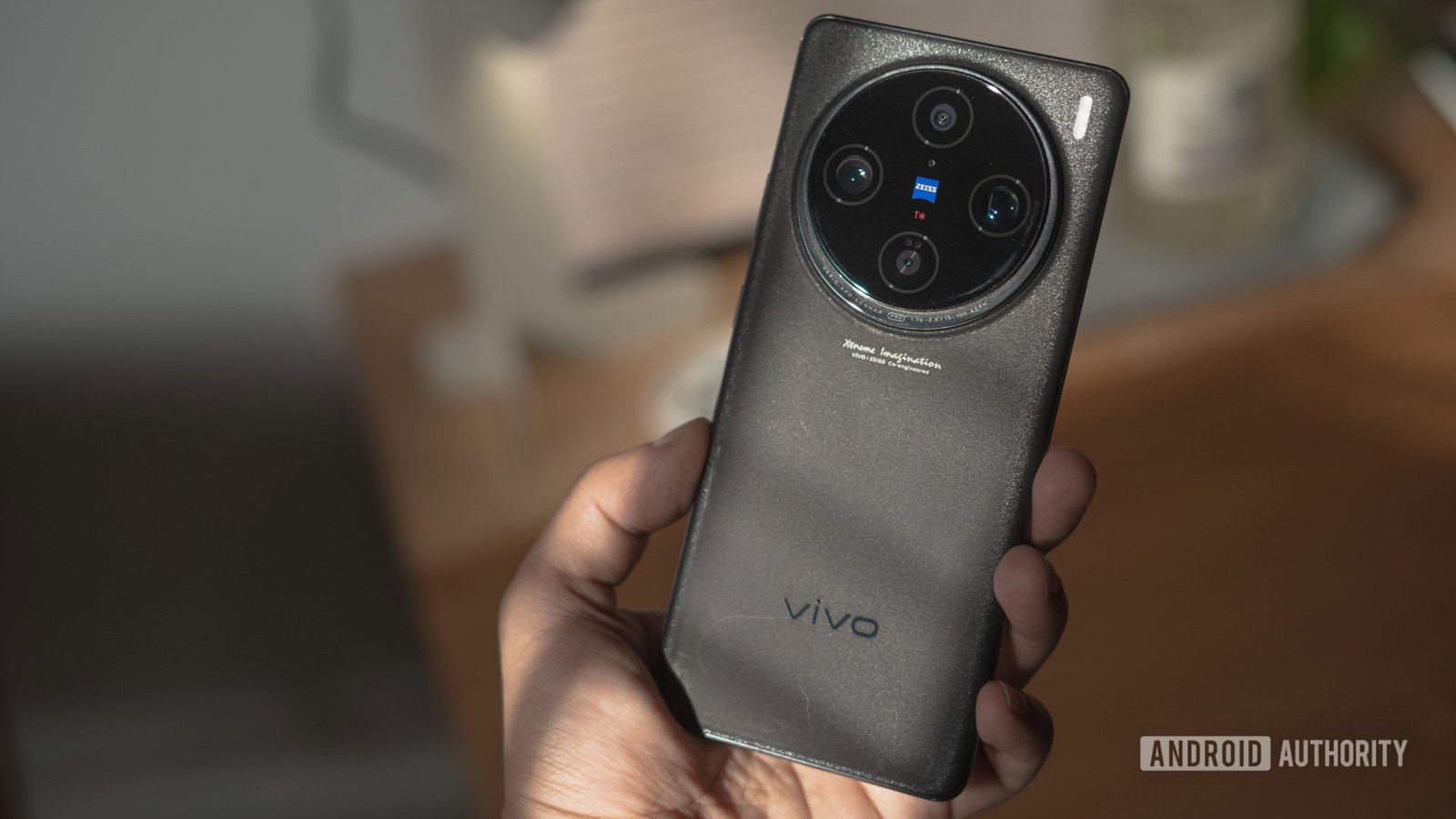
Smaller digicam sensors have additionally stuck up with one-inch sensors in many ways. Vivo switched to a smaller, LYT-818 primary digicam (1/1.28-inch) for the X200 Pro. It claimed that this digicam has higher video high quality than the one-inch IMX989 sensor and related photograph high quality. Of route, vivo when put next this smaller primary sensor to the first-generation one-inch sensor moderately than the second-generation LYT-900. Nevertheless, the vivo X300 Pro and OPPO Find X9 Pro now use the LYT-828 primary digicam sensor (1/1.28-inch), which gives complex HDR functions and ultra-high conversion acquire tech that’s lacking from one-inch sensors.
Are one-inch sensors utterly useless in 2026?
Dhruv Bhutani / Android Authority
That all stated, it appears like one-inch digicam sensors aren’t going any place simply but — a minimum of no longer utterly. In truth, contemporary tendencies may result in extra telephones with this tech someday. The brand-new Xiaomi 17 Ultra includes a new one-inch sensor from the Chinese model Omnivision, and a fellow Chinese corporate, SmartSens, introduced a one-inch sensor in July 2025.
This is an encouraging building, because it method Sony is now not the one corporate providing one-inch cameras. In principle, this different provide chain may scale back prices and, subsequently, result in higher proliferation of those sensors.
However, Sony additionally turns out bullish on huge digicam sensors. The corporate disclosed a graph previous this yr that predicts huge sensors to develop in recognition on high-end telephones till 2028.
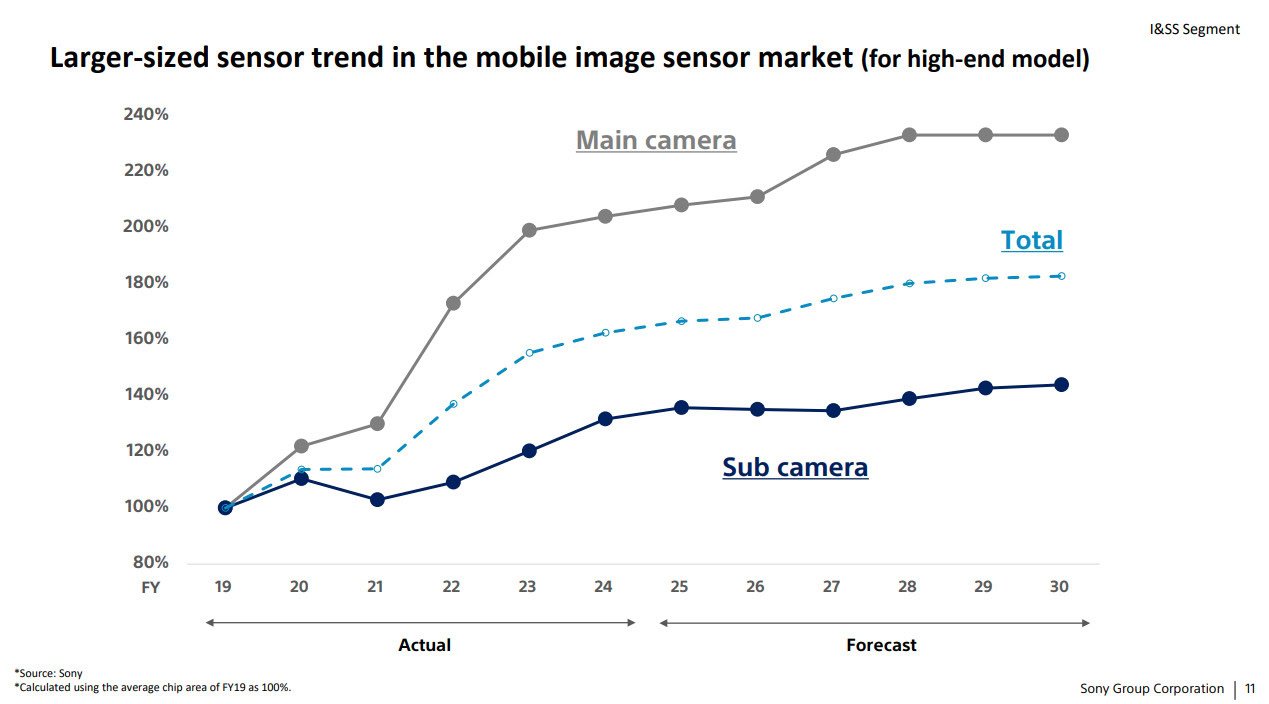
“Historically till now, the era of our cell sensors has advanced first via more than one cameras after which larger-sized sensors as much as 1-inch, and this has helped our trade expansion,” Sony instructed Android Authority in line with emailed questions, whilst noting that the adoption of huge sensors generally was once progressing “easily.”
Then once more, the following giant digicam sensor improve is probably not a one-inch sensor in the end. Sony lately introduced the 200MP LYT-901 digicam sensor (1/1.12-inch), which is considerably bigger than present 200MP sensors and quite smaller than 50MP one-inch sensors. Leaks recommend that OPPO and vivo may make the most of this sensor as the primary digicam of their upcoming Ultra telephones.
As such, the Xiaomi 17 Ultra and its new one-inch sensor could be the exception moderately than the rule of thumb in 2026. That’s to not say smartphone cameras in 2026 received’t be improbable, however the dream of one-inch sensors on all flagships more than likely isn’t coming true this yr.
Source: www.androidauthority.com